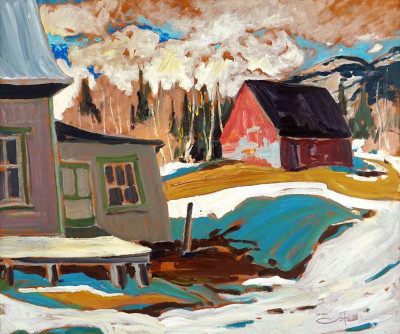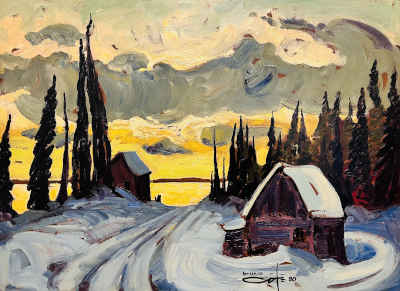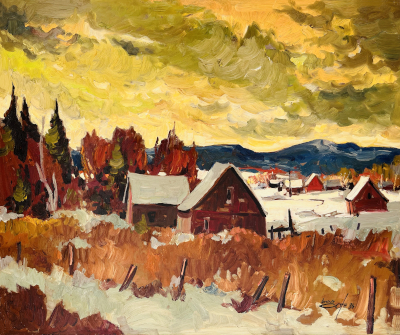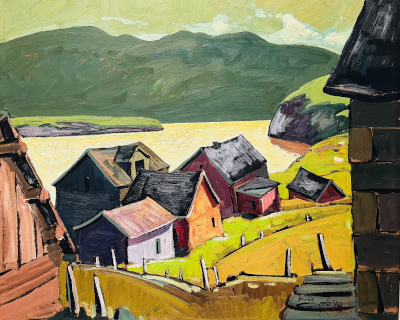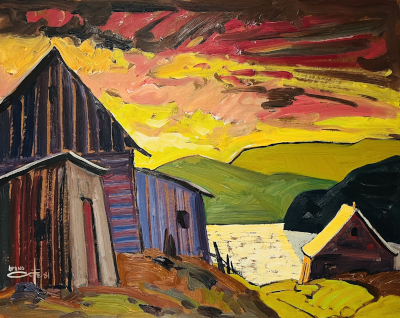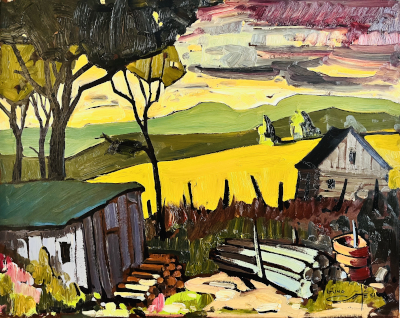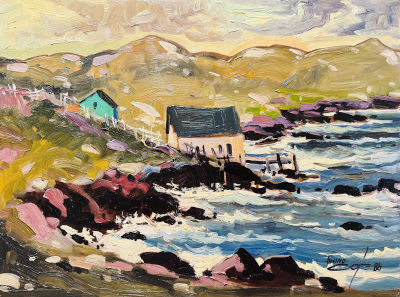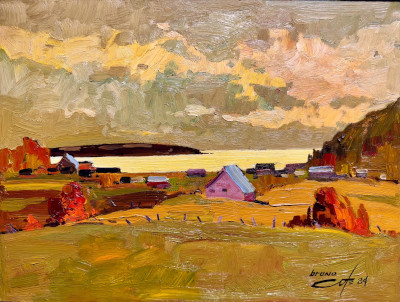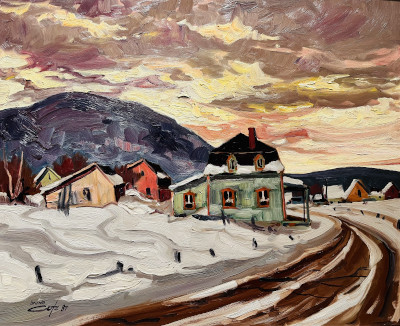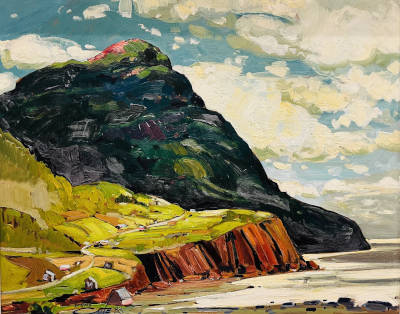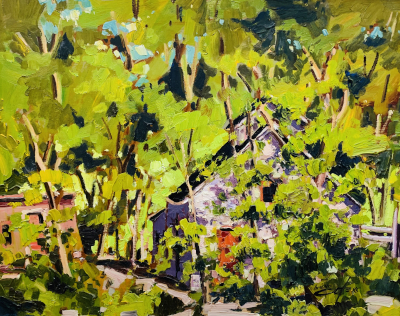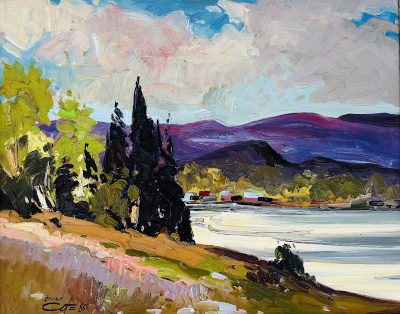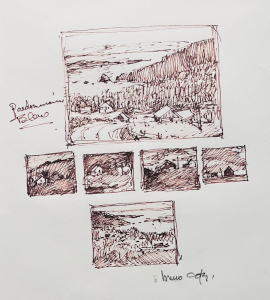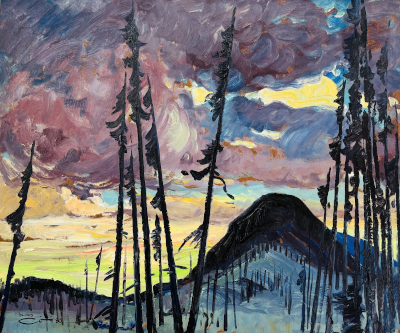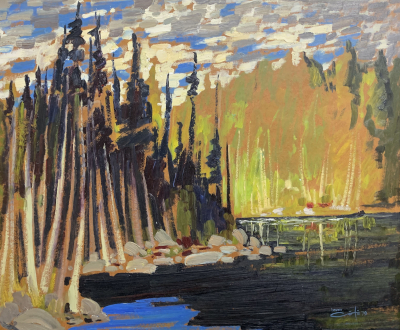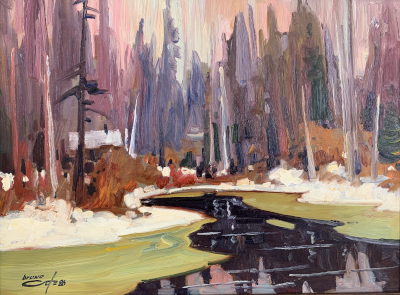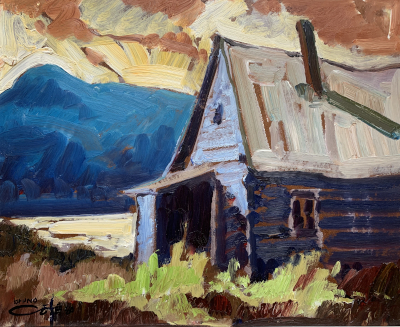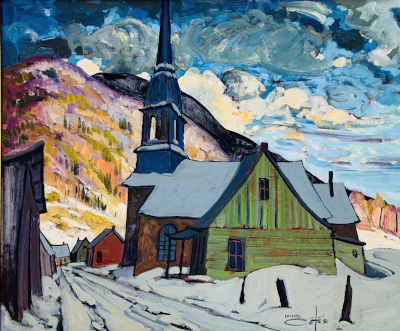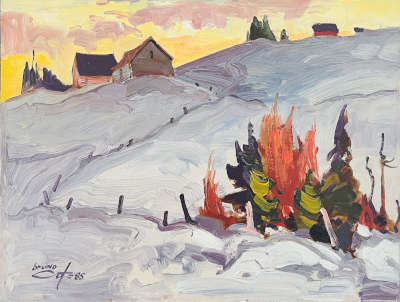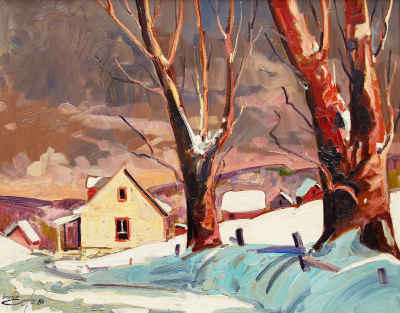
While Canada Post remains an essential part of the country’s logistics infrastructure we continue to deliver the art to the homes of our customers using alternative carriers​
Additional images
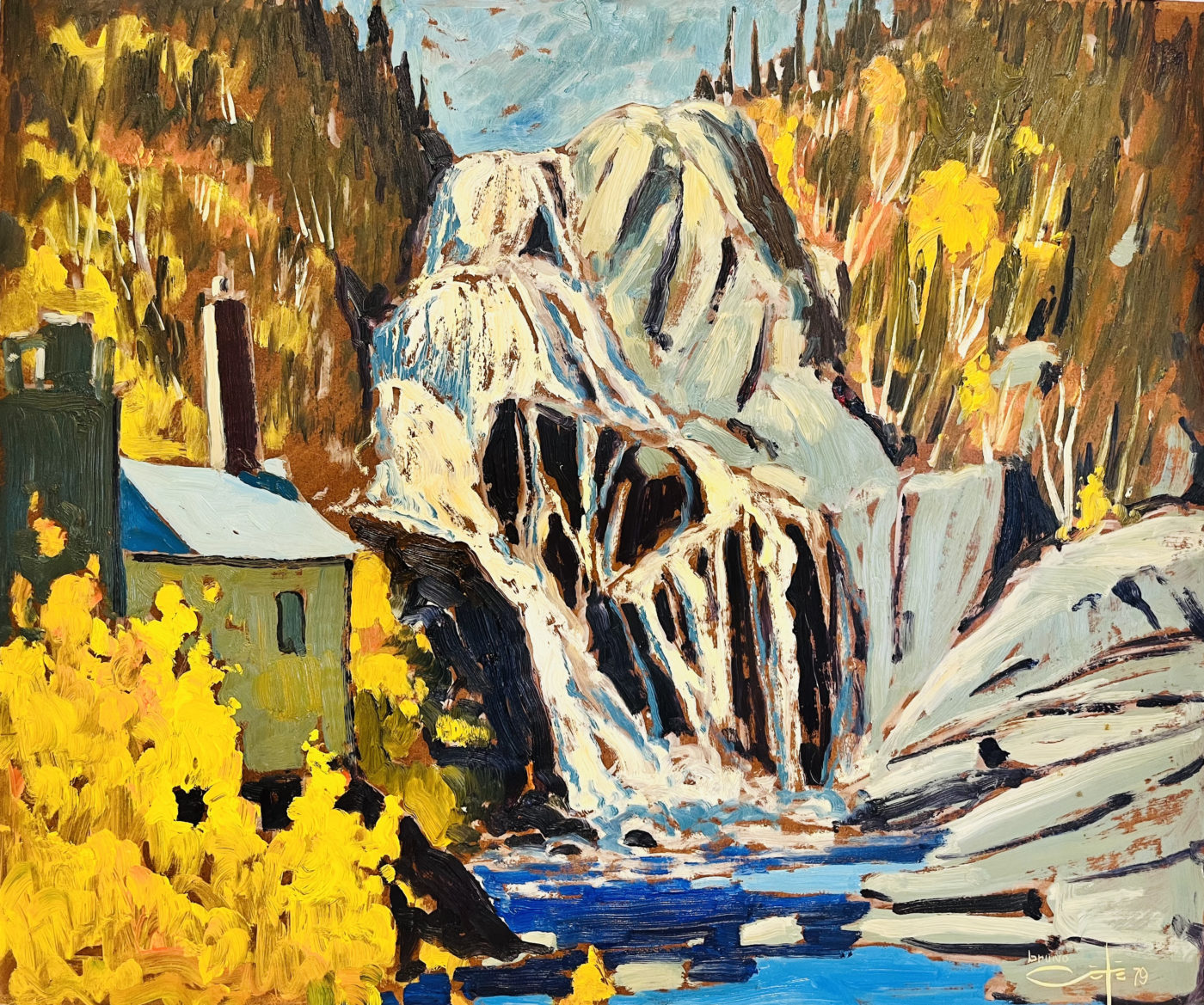
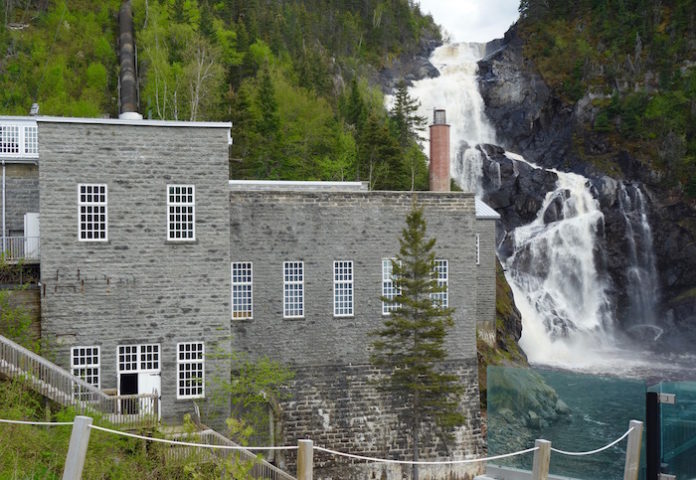
Founded in 1901 during Saguenay–Lac-Saint-Jean’s vibrant industrial age, Val Jalbert was a model community, a company town of Quebec millworker dreams. The pulp and paper industry was booming, workers were paid up to double what other millworkers earned, and – unheard of for the time – houses had electricity and indoor plumbing. It was the goal of the mill owner, Dabase Jalbert, to make Val Jalbert the most modern village in Quebec.

The Val-Jalbert Historic Village is a former industrial village established in 1901 around a pulp mill and abandoned during the 1930s. The site comprises 94 buildings, including a pulp mill, institutional and commercial buildings, residences, tourist facilities, and numerous archaeological remains. The Val-Jalbert Historic Village is located southwest of Lac Saint-Jean, in the municipality of Chambord, outside the village core.

This property is designated a heritage site. Protection applies to the exterior of the buildings, the remains, the structures, and the nearly two-square-kilometre area of ​​land that follows the north-south axis of the Ouiatchouan River, from Maligne Falls to its mouth. An archaeological site is associated with the location.

The historic village of Val-Jalbert is of heritage interest for its historical value. The Ouiatchouan Pulp Company was founded in 1901 by businessman Damase Jalbert (1842-1904) to meet the growing demand for newsprint in the British and American markets. Acquired by the Chicoutimi Pulp Company in 1909, under the leadership of Julien-Édouard-Alfred Dubuc (1871-1947), the company was one of the few pulp and paper mills in the province financed by French Canadians. Val-Jalbert is therefore an important site for the history of this type of industry and bears witness to a time when French Canadians were striving to establish themselves in the Quebec and global economies.

The historic village of Val-Jalbert is also of heritage interest for its urban planning value. Company towns are composed of buildings and infrastructure owned by the companies that created them. Val-Jalbert comprises two sectors, the upper town and the lower town, the former being residential and the latter industrial, commercial, and institutional. The first houses were built as early as 1902, but the village truly began to develop in 1904, according to an urban plan established by the new owner, the Ouiatchouan Falls Paper Company, an American company. The four models of workers’ housing designed by this company were, however, built by the Chicoutimi Pulp Company, which succeeded it in 1909. These two companies also provided public services to the village, such as a sewer system, water supply, electricity, and telephone service. The main thoroughfare is paved and tree-lined, the streets are lined with wooden sidewalks and are lit. Val-Jalbert still reflects the distinctive character it had in the 1920s: that of a modern enclave in a rural setting.

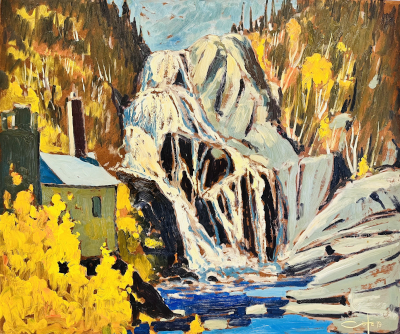
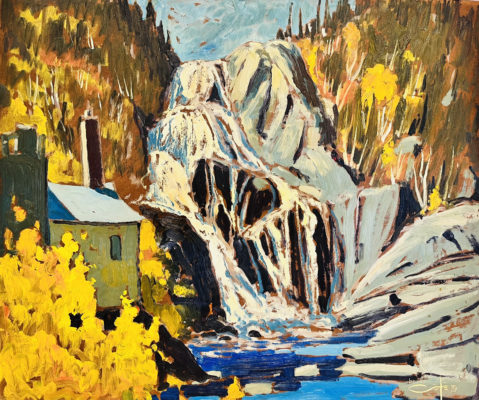
The historic village of Val-Jalbert is also of heritage interest for its scenic value. At the turn of the 20th century, mechanical pulp mills were established near waterways capable of providing the hydraulic power needed to operate the machinery. Val-Jalbert is located in the heart of an exceptional natural site that includes, among other things, the Ouiatchouan River and its nearly 72-meter-high falls. Furthermore, the forest surrounding the river constitutes a vast reserve of raw materials. The village’s location was therefore chosen to take full advantage of the river and stands as a powerful testament to the practices of the pulp and paper industry at that time.

The historic village is also of heritage interest for its technological value. Due to the brevity of its occupation, the site has undergone few changes, allowing visitors to understand its original spatial organization and to discover examples of the various buildings. The factory and its unique equipment, including a boiler, turbines, a defibrator and hydraulic presses, also allow the mechanical pulp production process used in the 1920s to be recreated. Taken over by the Tourist Office since 1960, then by the MRC Le Domaine-du-Roy, the village has been the subject of development for more than 50 years and allows a better understanding of the industrial agglomerations of the turn of the 20th century.

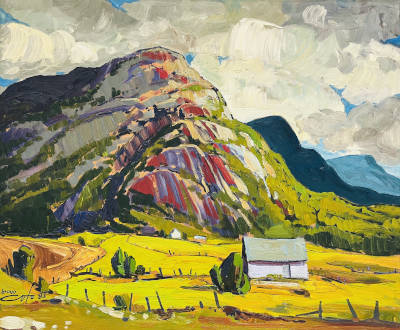
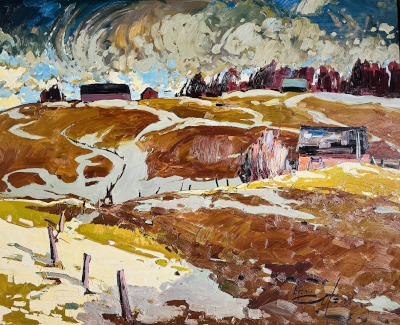
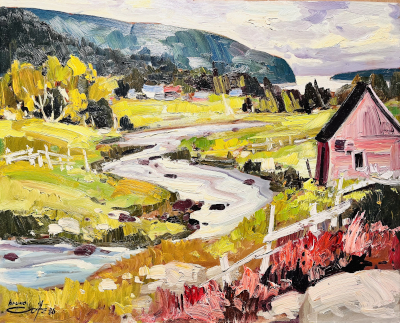
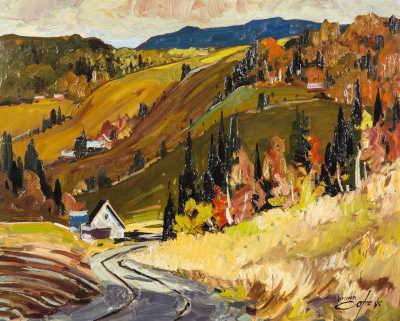
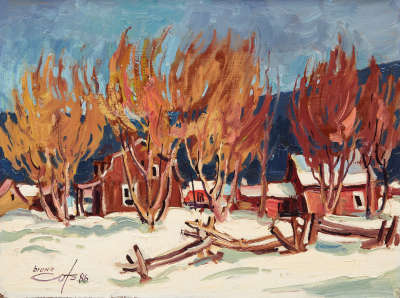
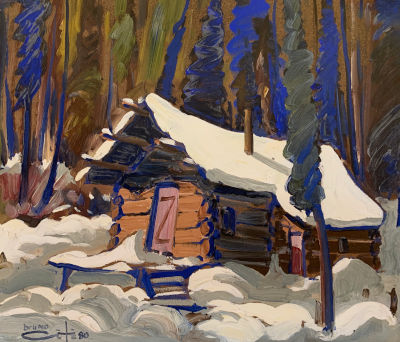
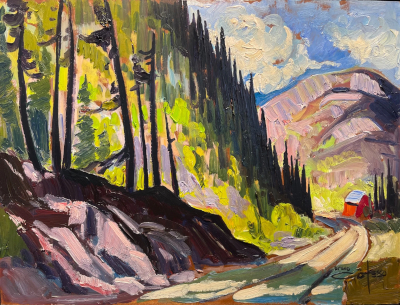
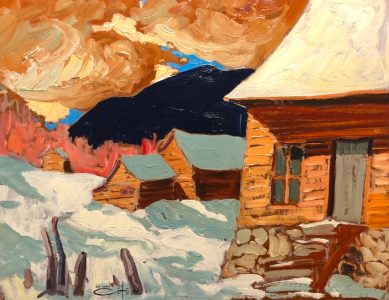
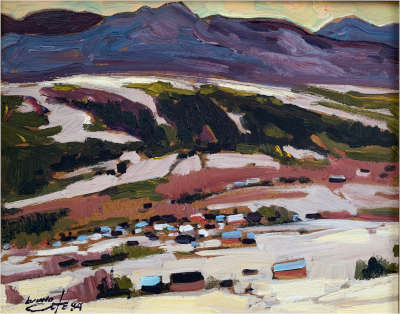
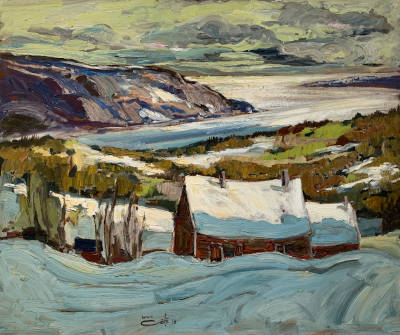
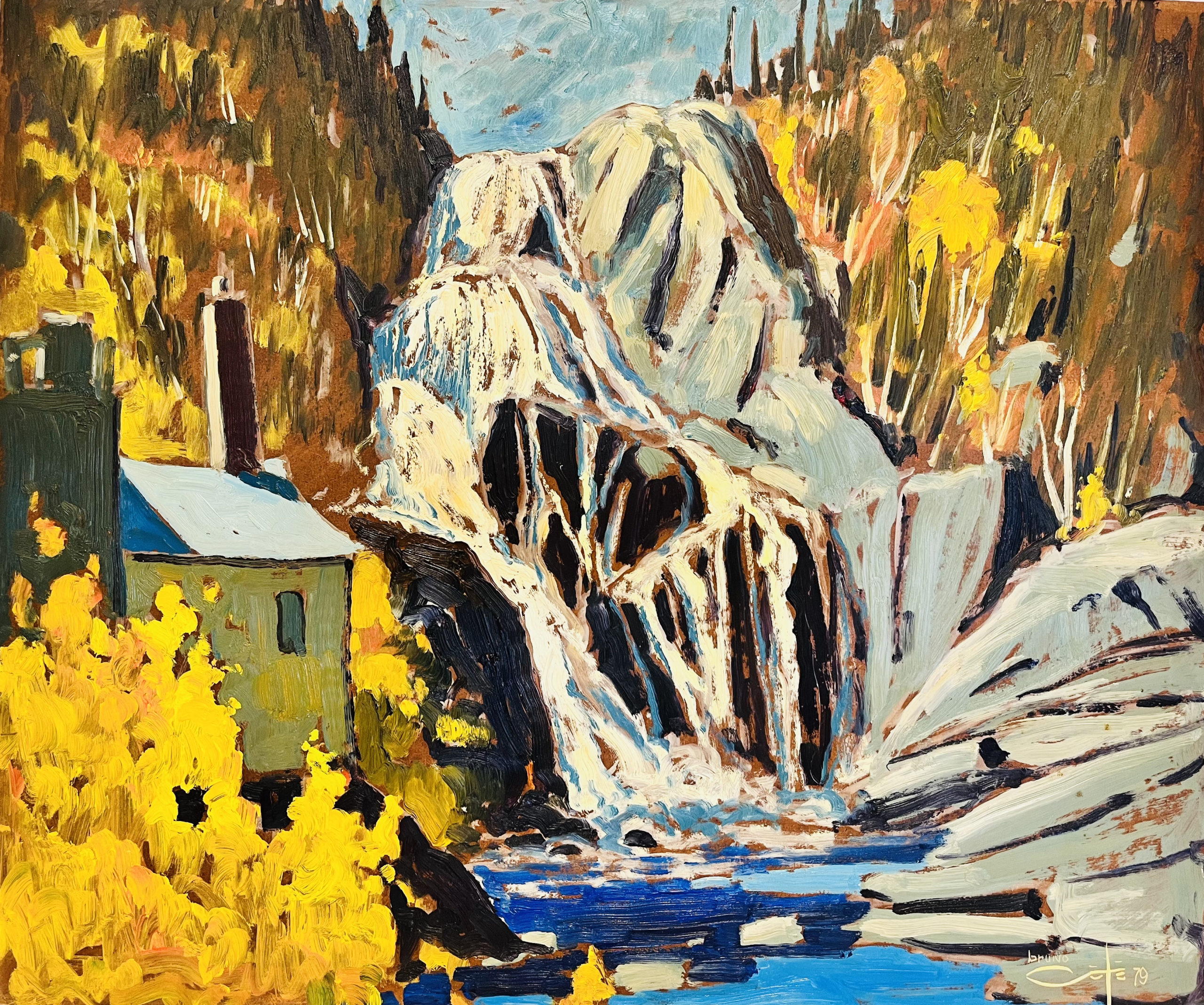
Oil on masonite
20 x 24 in
Inscriptions
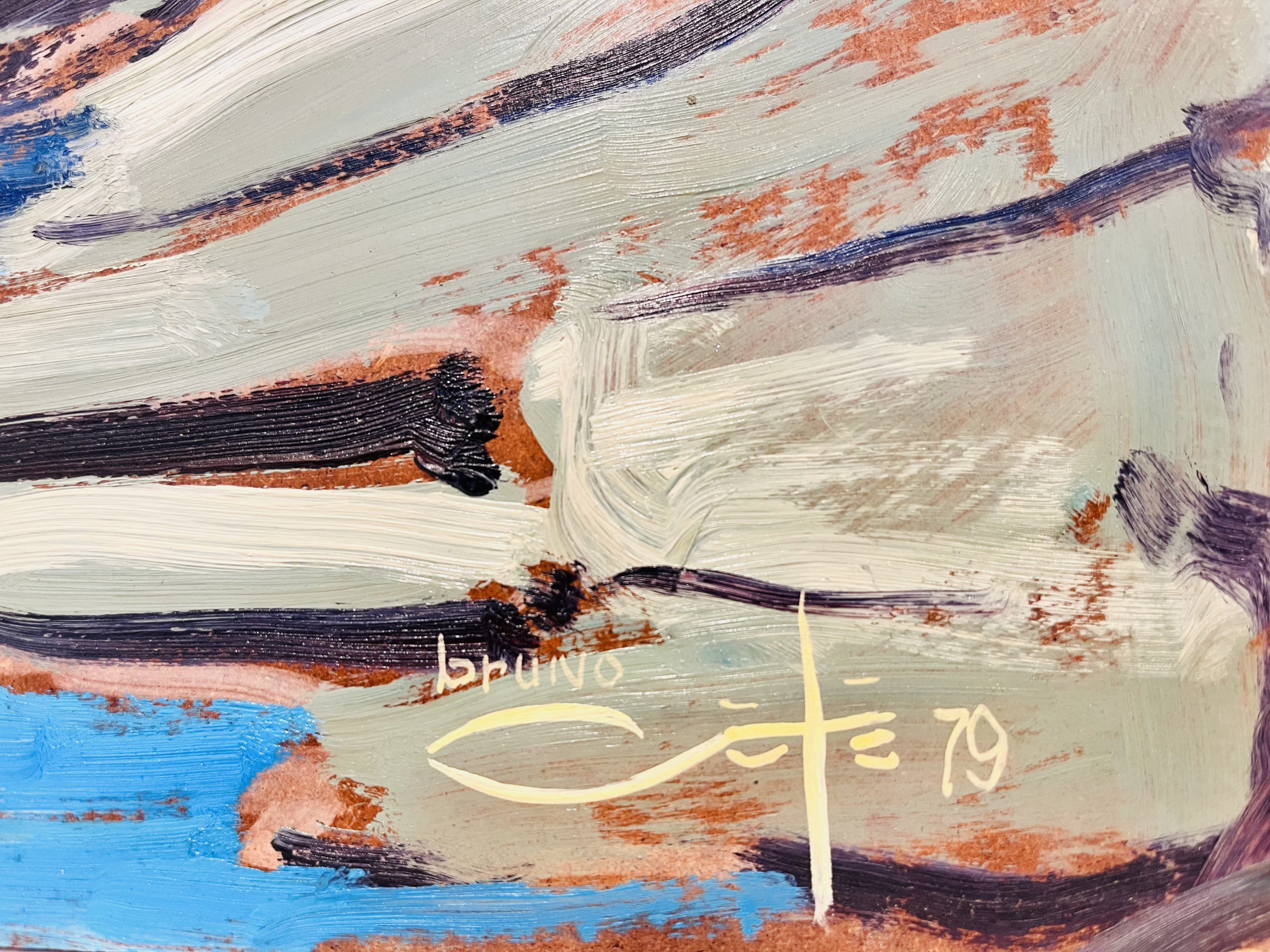
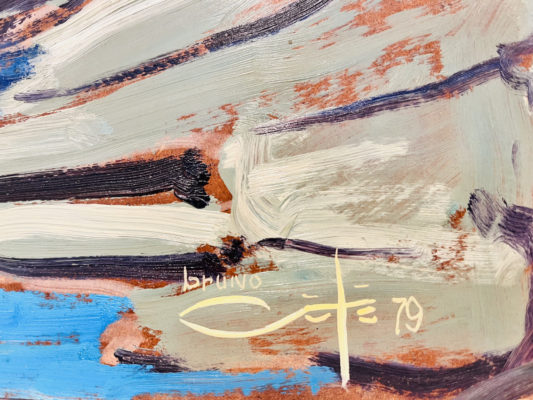
Signed and dated ’79 lower right;
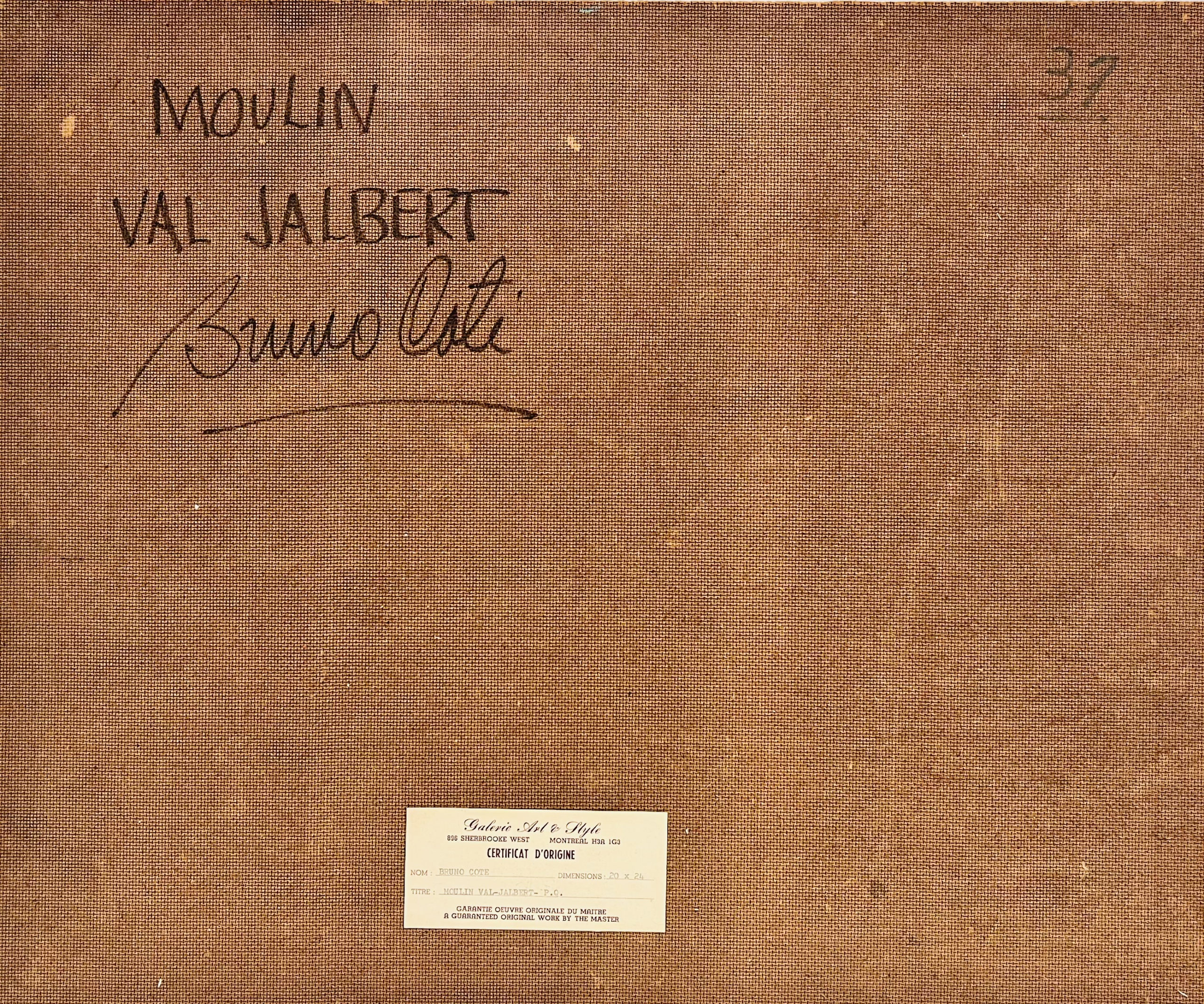
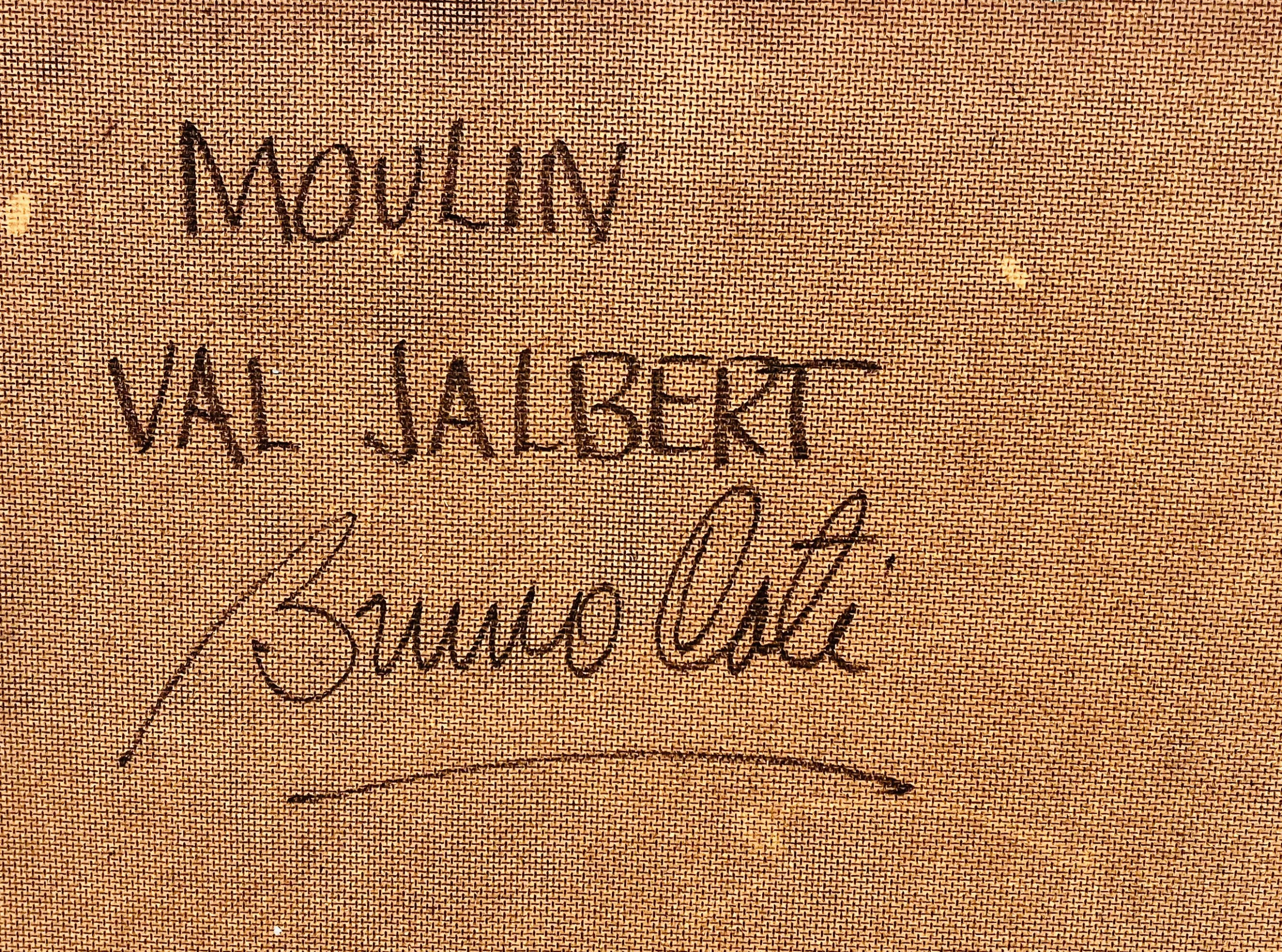
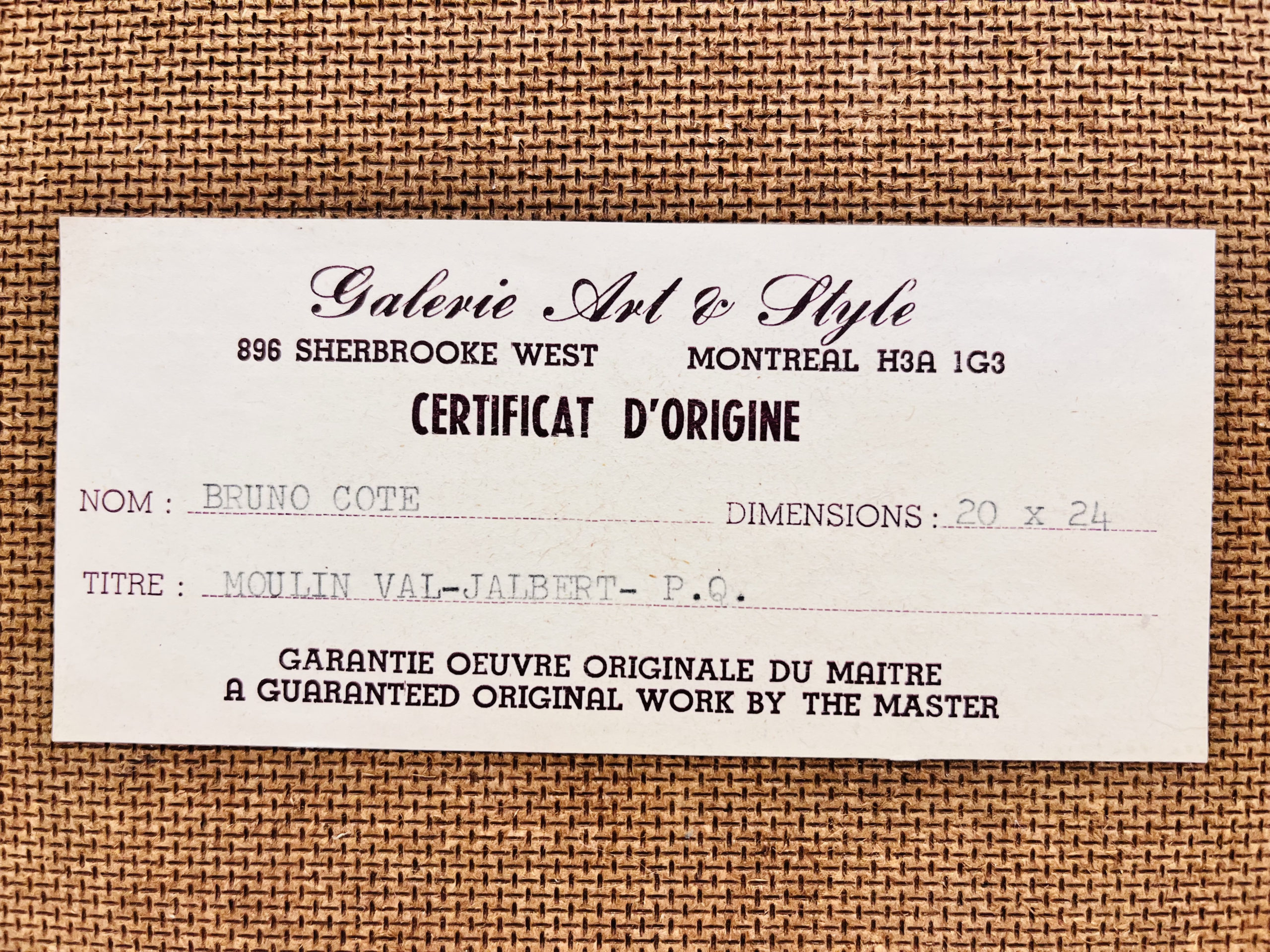
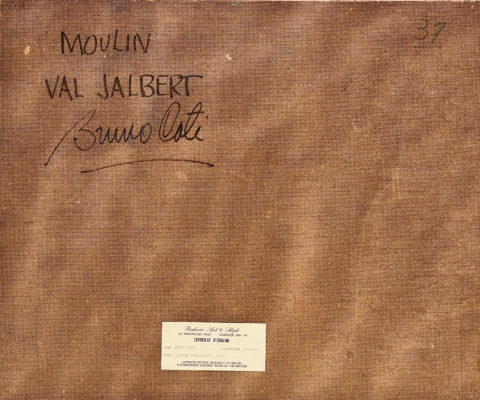
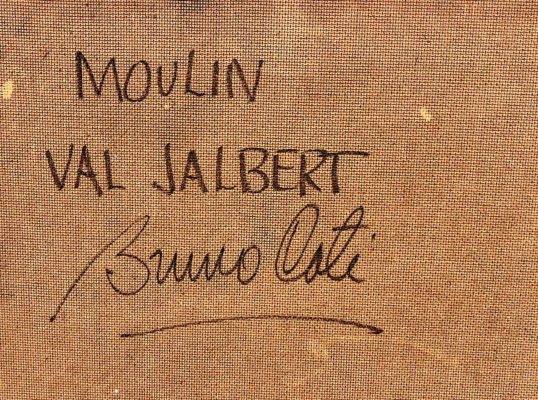
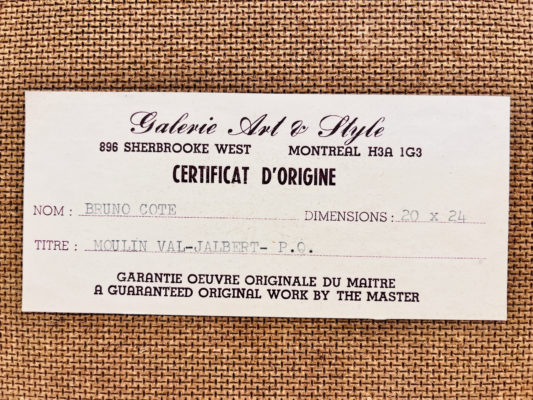
Signed and titled verso
Provenance
Frame
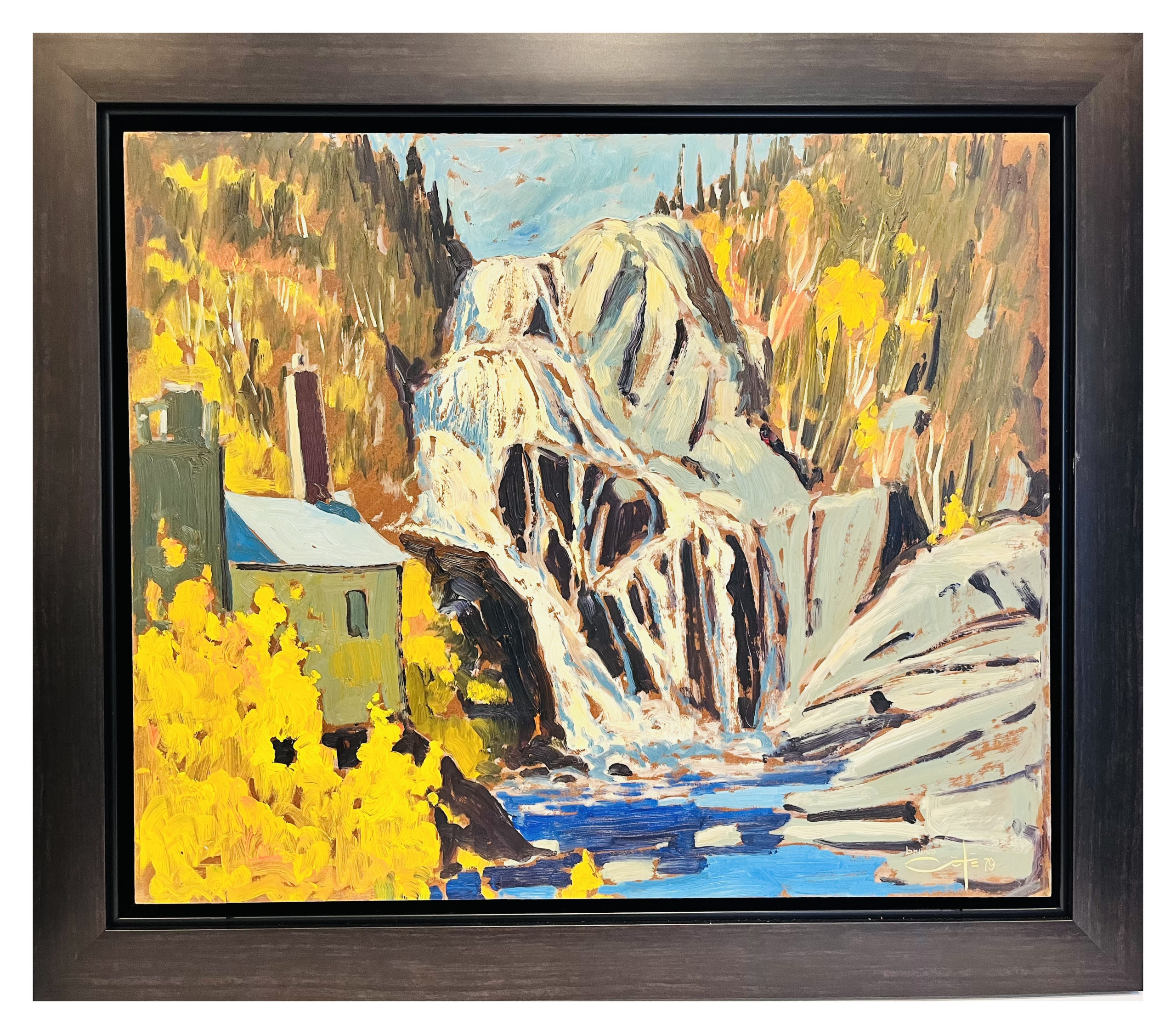
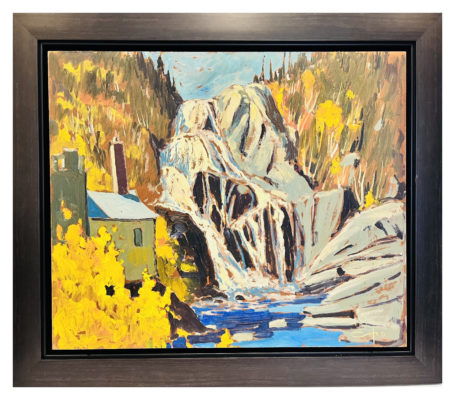
framed
$3300 CAN

  • Artwork details
  • Free shipping
  • Free return
  • Secure payments
Artist
Artwork type:
Original art
Title:
Year:
Medium:
Oil on masonite
Size:
20 x 24 in
Frame size:
Signature:
Signed, front
Provenance:

Free shipping within Canada; Ships in 2 days from Montreal, Canada
View Details


This piece can be returned within 15 days. Free! View Details


You can pay by credit and debit card, PayPal, or bank e-transfer. View Details

Artwork by / Les oeuvres de Bruno Côté
St. Lawrence River
Bruno Côté
Oil on masonite
16 x 20 in
3750
Les Éboulements
Bruno Côté
Les Éboulements
Oil on masonite
20 x 24 in
on hold
Pointe Maillard, Charlevoix
Bruno Côté
Oil on masonite
12 x 16 in
Sold
Rang St-Joseph
Bruno Côté
Oil on masonite
20 x 24 in
Sold
L'Isle-aux-Coudres
Bruno Côté
Oil on masonite
20 x 24 in
Sold
Sagard
Bruno Côté
Oil on masonite
20 x 24 in
Sold
Pointe-au-Pic
Bruno Côté
Oil on masonite
24 x 30 in
Sold
Port au Persil
Bruno Côté
Oil on masonite
20 x 24 in
Sold
St. Agnes
Bruno Côté
Oil on masonite
16 x 20 in
Sold
St. Irénée
Bruno Côté
Oil on masonite
20 x 24 in
4500
L'Isle-aux-Coudres
Bruno Côté
Oil on masonite
16 x 20 in
Sold
Rang Perou
Bruno Côté
Rang Perou
Oil on masonite
16 x 20 in
2975
Rose blanche
Bruno Côté
Oil on masonite
12 x 16 in
2400
L'île-aux-Coudres
Bruno Côté
L’île-aux-Coudres
Oil on board
12 x 16 in
Sold
Cap aux oies
Bruno Côté
Oil on masonite
12 x 16 in
Sold
Saint-Achillée
Bruno Côté
Saint-Achillée, Quebec
Oil on masonite
16 x 20 in
Sold
À côté de Baie-des-Rochers
Bruno Côté
Baie-des-Rochers
Oil on masonite
20 x 24 in
Sold
On the St. Lawrence
Bruno Côté
Oil on board
9 x 12 in
1800
Saint-Ferréol
Bruno Côté
Saint-Ferréol
Oil on masonite
20 x 24 in
Sold
Carleton
Bruno Côté
Carleton
Oil on masonite
20 x 24 in
Sold
La Petite Rivière St-François
Bruno Côté
Oil on masonite
16 x 20 in
Sold
Vallée de la Matapédia
Bruno Côté
Vallée de la Matapédia
Oil on masonite
16 x 20 in
Sold
Sketch
Bruno Côté
Untitled
Felt pen on paper
10 x 8 in
450
Petit parc St-Urbain
Bruno Côté
Oil on masonite
20 x 24 in
Sold
Rivière Malbaie
Bruno Côté
Rivière Malbaie
Oil on masonite
20 x 24
Sold
Baie-Saint-Paul
Bruno Côté
Baie-Saint-Paul
Oil on masonite
12 x 16 in
Sold
La Galette
Bruno Côté
La Galette
Oil on masonite
10 x 12 in
Sold
Eglise St-François de la Petit Rivière
Bruno Côté
Eglise Saint-François de la Petite-Rivière
Oil on masonite
20 x 24 in
Sold
Baie St-Paul
Bruno Côté
Baie St-Paul
Oil on masonite
10 x 12 in
Sold
St. Nicolas, 1986
Bruno Côté
Rang St. Nicolas
Oil on masonite
16 x 20 in
sold
La Galette
Bruno Côté
Oil on masonite
12 x 14 in
Sold
St-Urbain
Bruno Côté
St-Urbain
Oil on masonite
12 x 16 in
Sold
Sagard
Bruno Côté
Sagard
Oil on masonite
16 x 20 in
Sold
Montagne St-Placide
Bruno Côté
Montagne St-Placide
Oil on masonite
8 x 10 in
Sold
Baie-Saint-Paul
Bruno Côté
Baie-Saint-Paul
Oil on masonite
20 x 24 in
Sold
Rg. St. Nicolas, 1983
Bruno Côté
Rg. St. Nicolas
Oil on masonite
10 x 12 in
Sold
sketch
Bruno Côté
Untitled
Pencil on paper
4.5 X 5.75 in
Sold
Untitled sketch
Bruno Côté
Untitled
Feutre sur papier
8 x 10 in
Sold
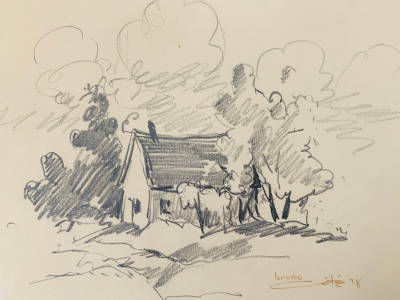
Country House
Bruno Côté
Untitled
Pencil on paper
9.5 x 12 in
Sold
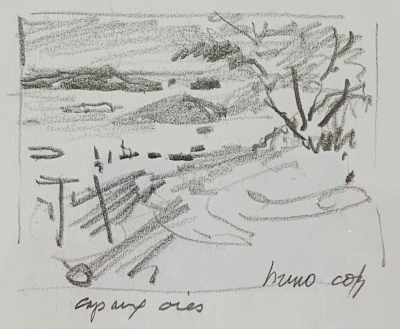
Cap-Aux-Oies
Bruno Côté
Cap-Aux-Oies (Goose Cape)
Pencil on paper
3 x 4 in
Sold
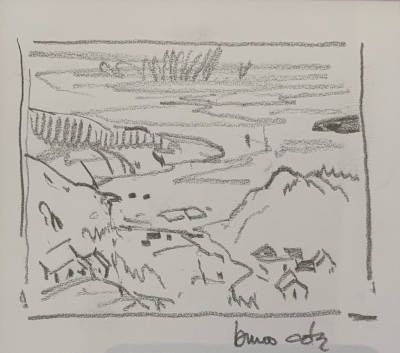
Landscape drawing
Bruno Côté
Untitled
Pencil on paper
3 1/2 x 4 in
Sold

Request condition report

Oil on masonite
20 x 24 in
3300

Inquiry

Oil on masonite
20 x 24 in
3300

Request a hold for 2 days

Oil on masonite
20 x 24 in
3300

Make an offer

Oil on masonite
20 x 24 in
3300