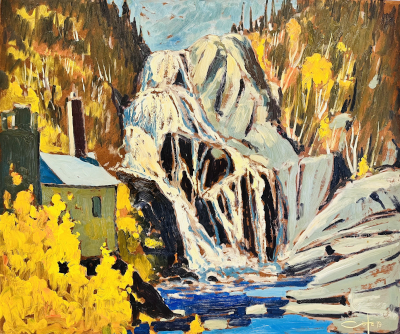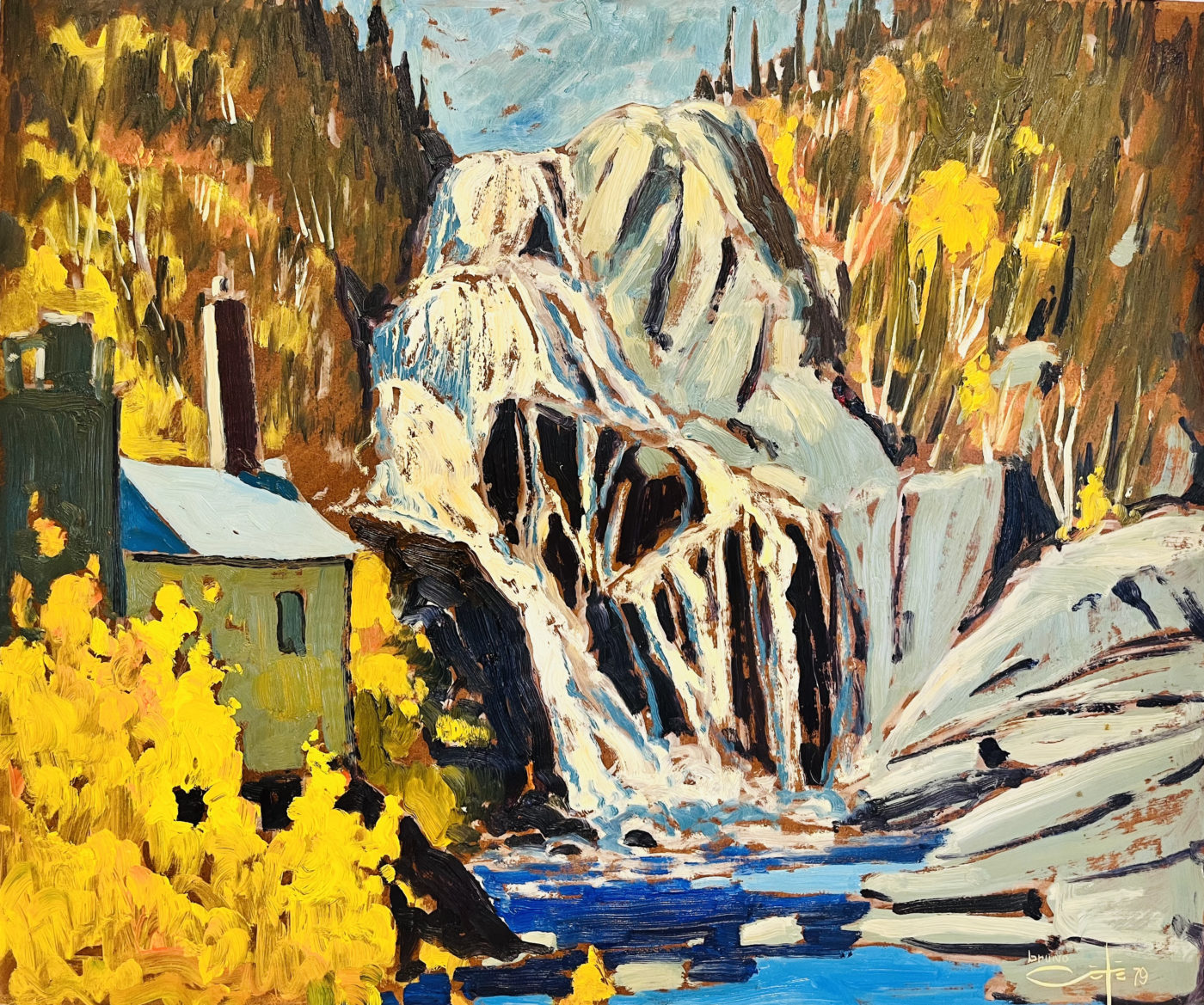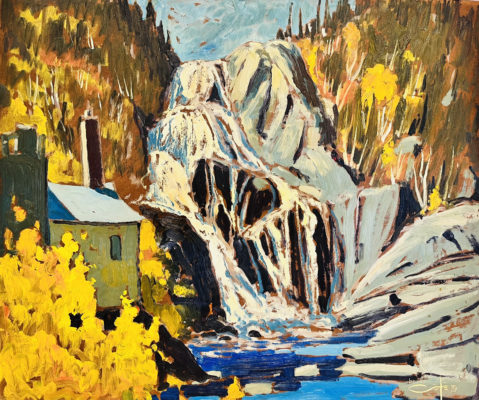
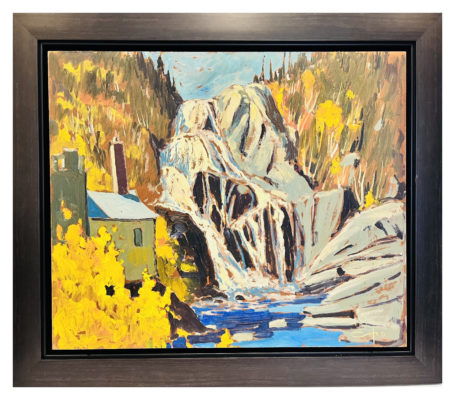
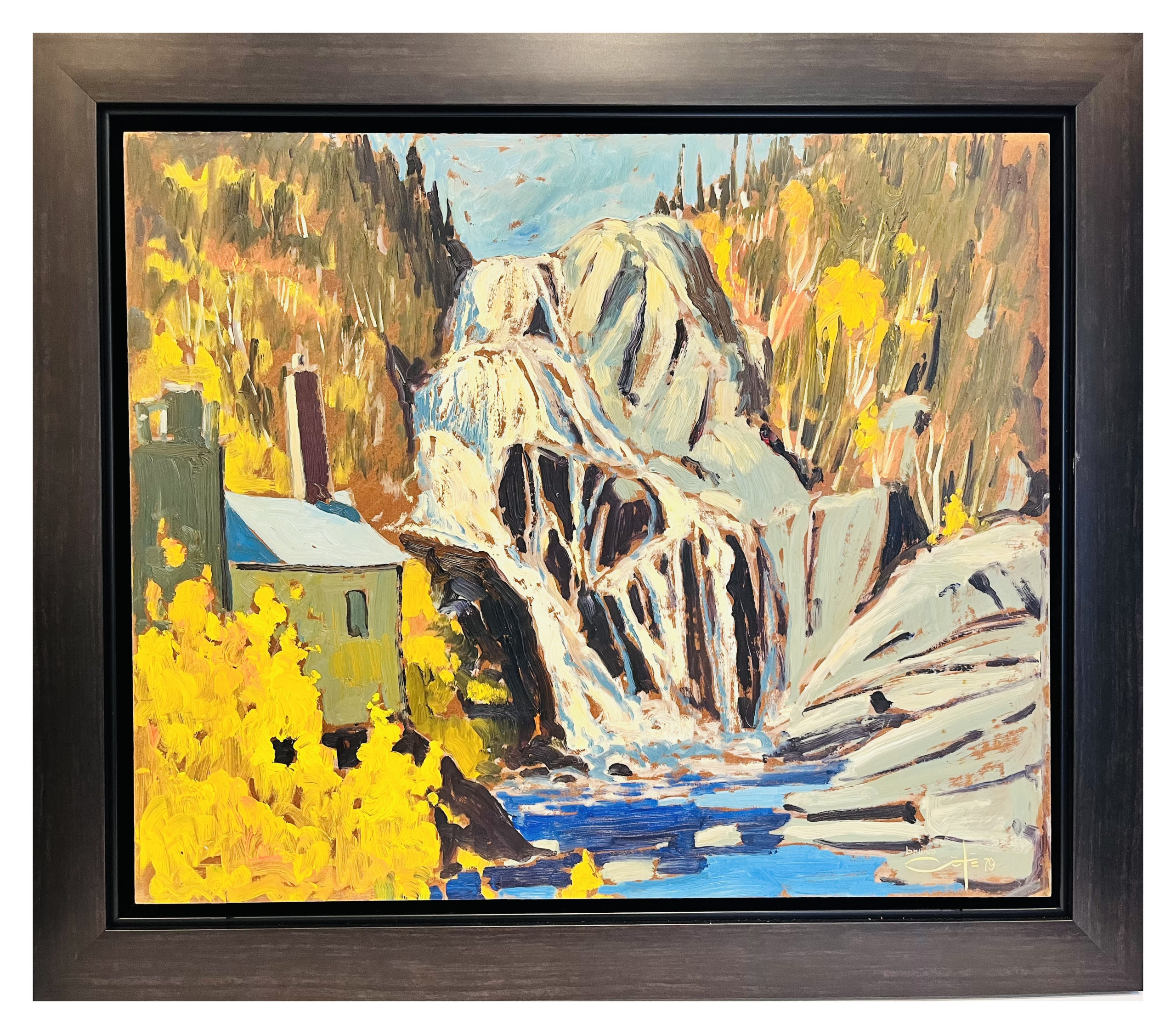
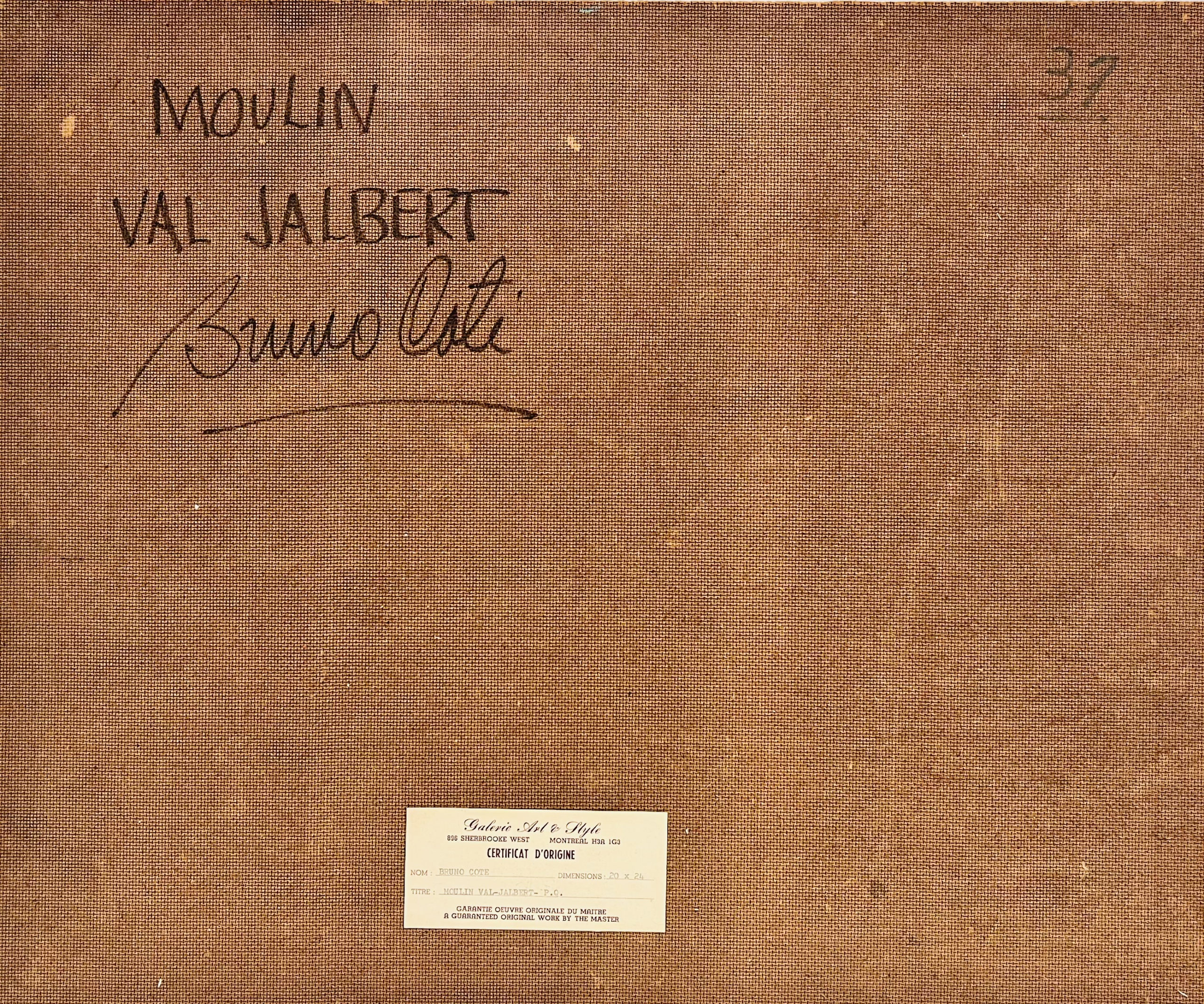
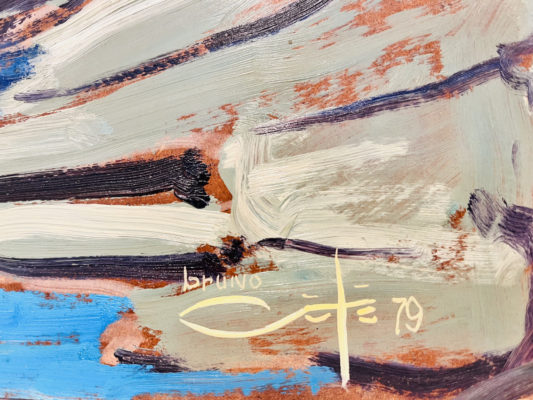
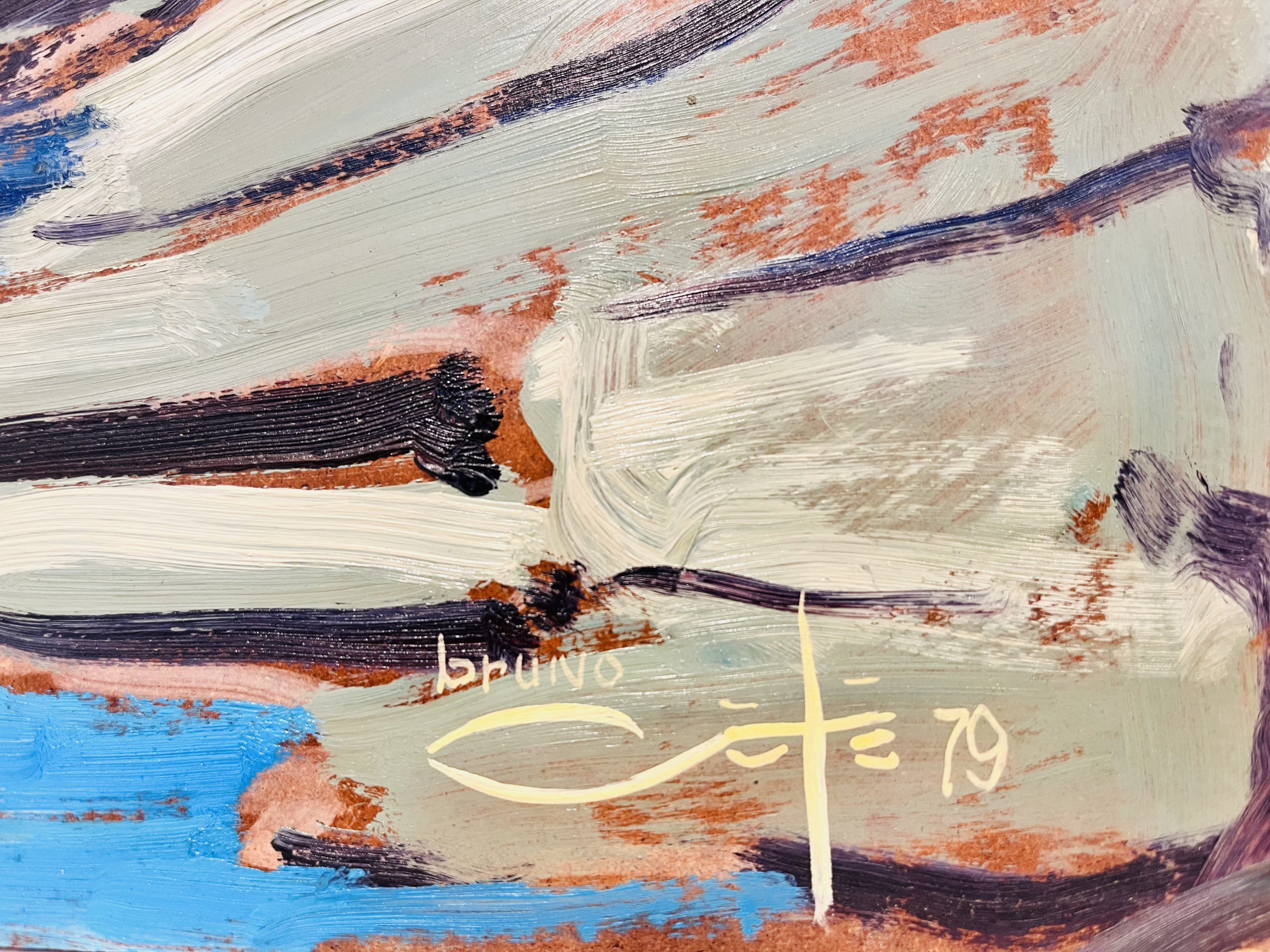
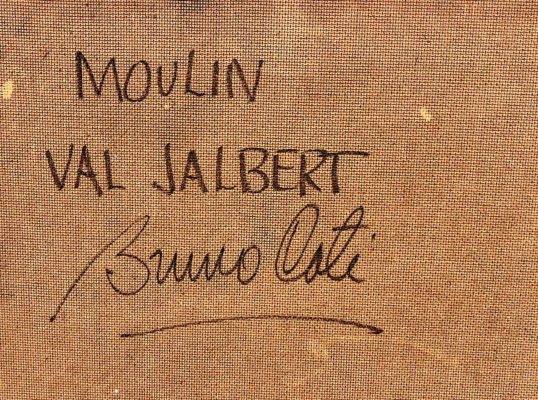
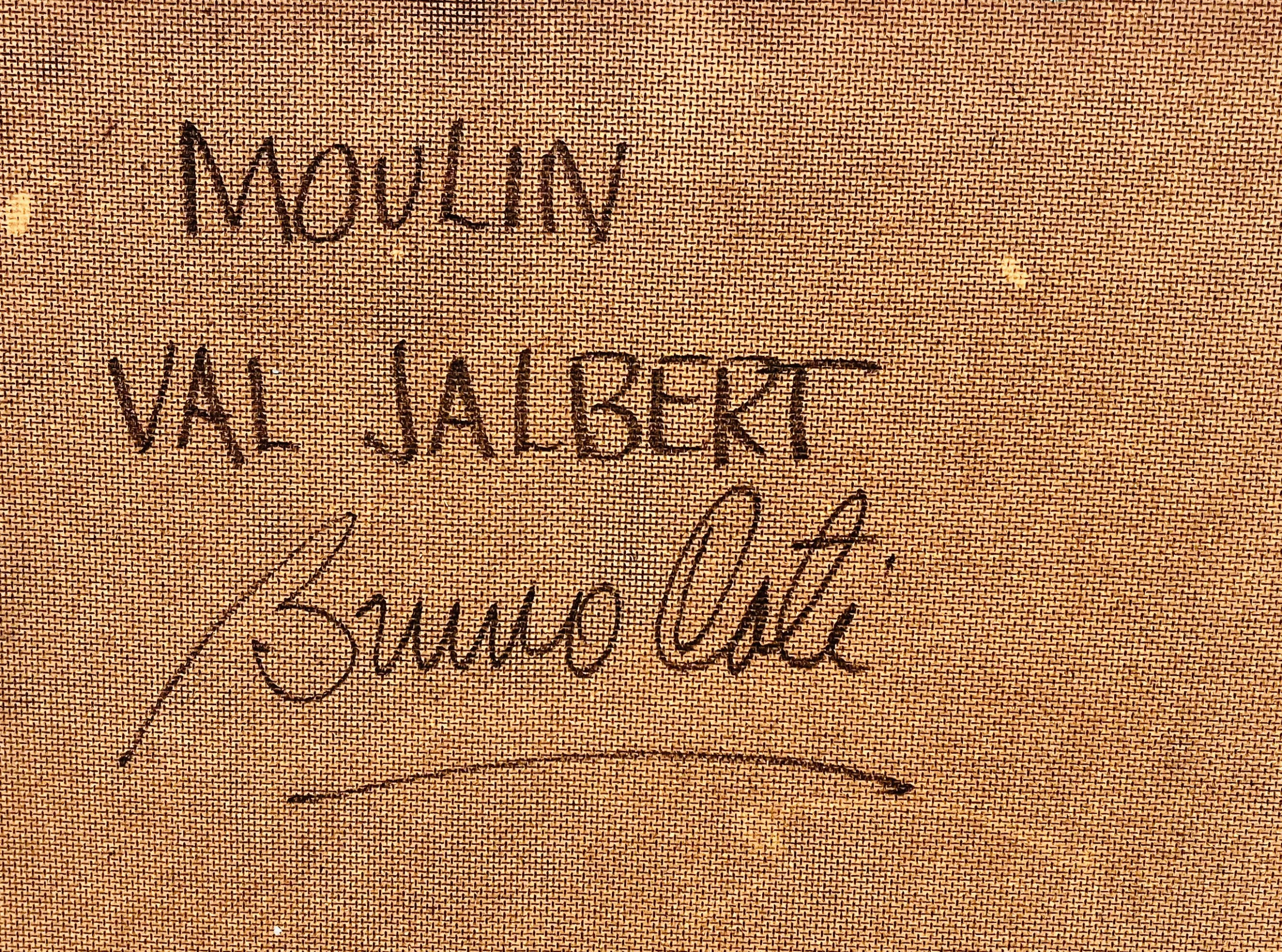
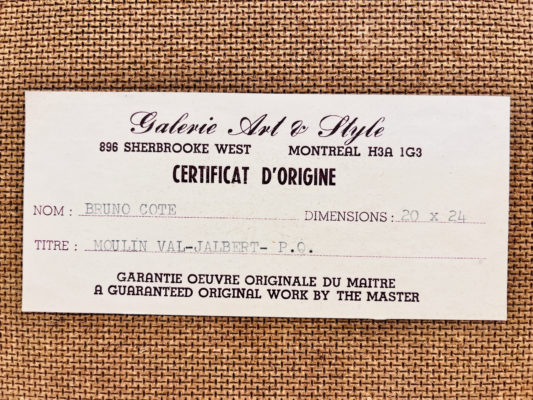
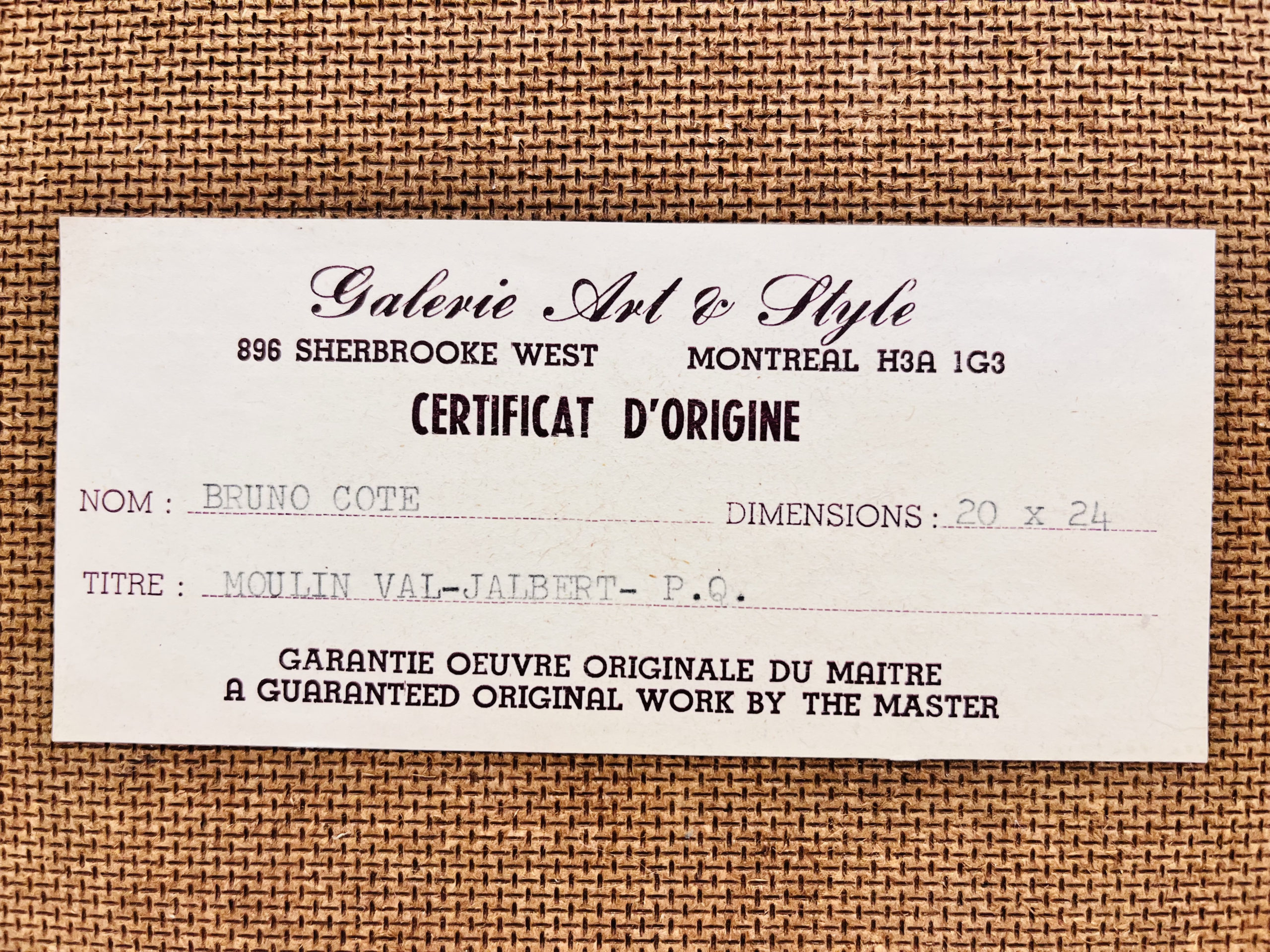
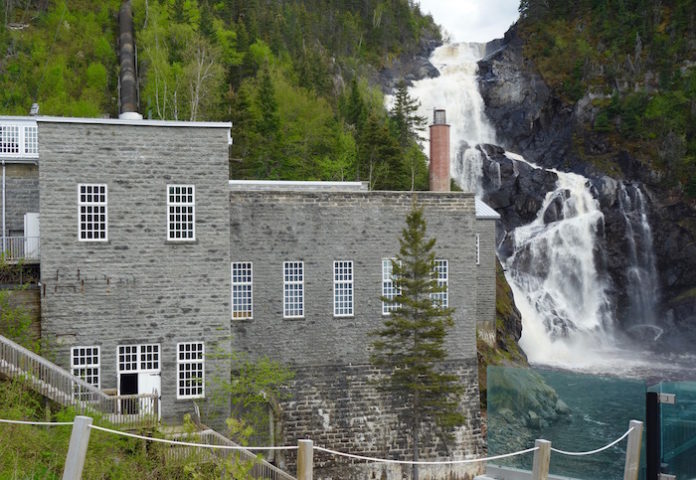
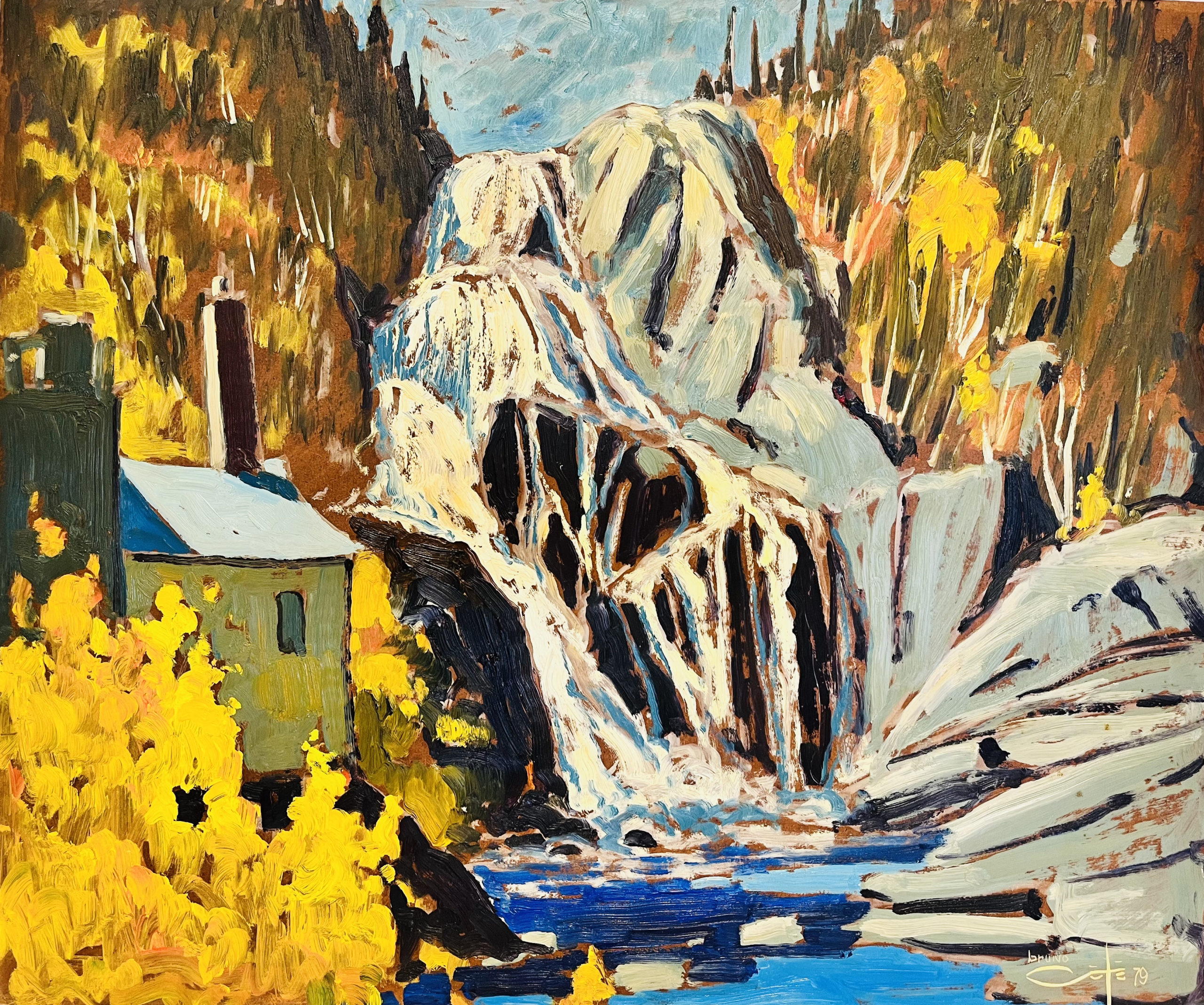
 Artwork details
 Free shipping
  Free return
 Free shipping within Canada; Ships in 2 days from Montreal, Canada
View Details
This piece can be returned within 15 days. Free! View Details
You can pay by credit and debit card, PayPal, or bank e-transfer. View Details
 Bruno Côté Oil on masonite 20 x 24 in 4500 | 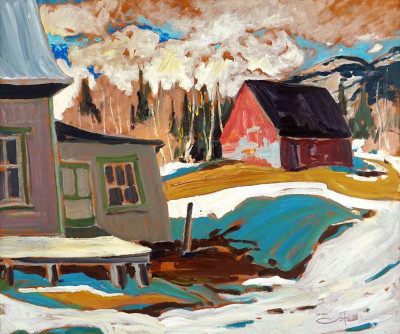 Bruno Côté Les Éboulements Oil on masonite 20 x 24 in Sold | 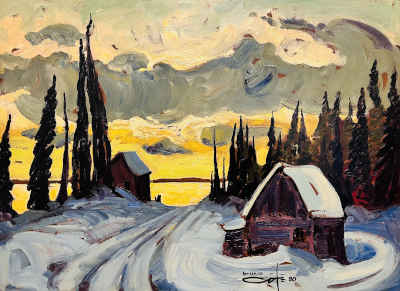 Bruno Côté Oil on masonite 12 x 16 in Sold |
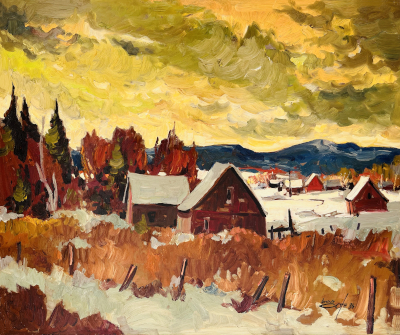 Bruno Côté Oil on masonite 20 x 24 in Sold | 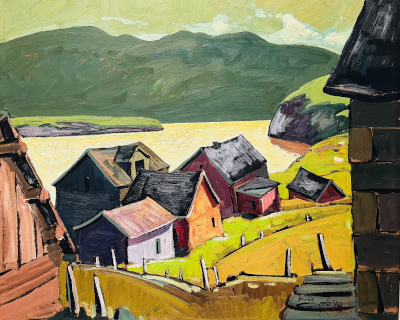 Bruno Côté Oil on masonite 20 x 24 in Sold | 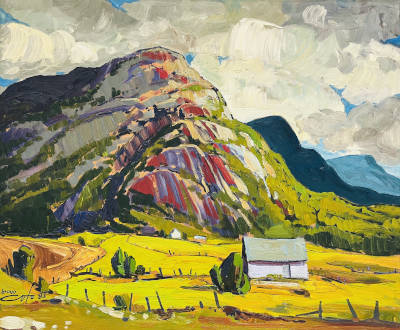 Bruno Côté Oil on masonite 20 x 24 in Sold |
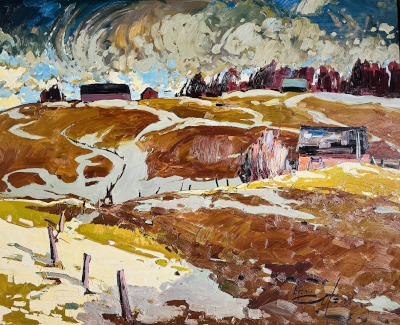 Bruno Côté Oil on masonite 24 x 30 in Sold |  Bruno Côté Oil on masonite 20 x 24 in Sold | 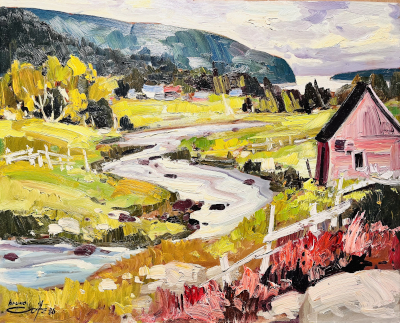 Bruno Côté Oil on masonite 16 x 20 in 3750 |
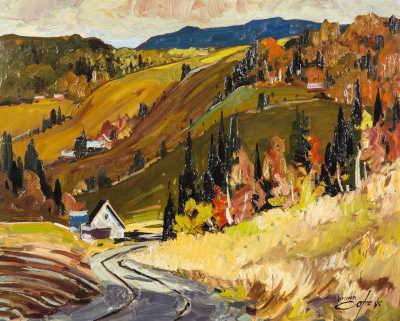 Bruno Côté Oil on masonite 16 x 20 in Sold |  Bruno Côté Oil on masonite 20 x 24 in 4500 | 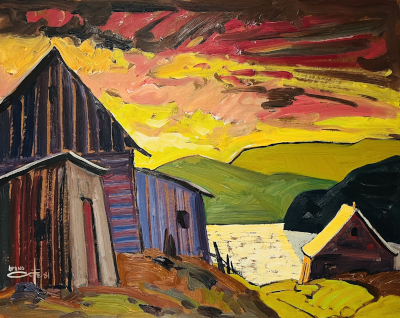 Bruno Côté Oil on masonite 16 x 20 in Sold |
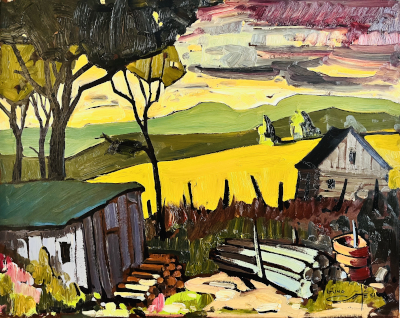 Bruno Côté Rang Perou Oil on masonite 16 x 20 in Sold | 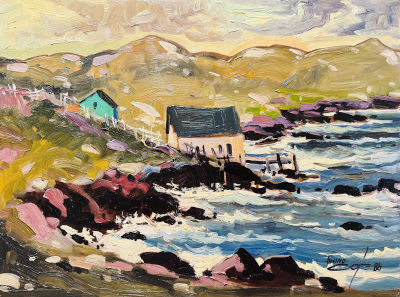 Bruno Côté Oil on masonite 12 x 16 in 2800 | 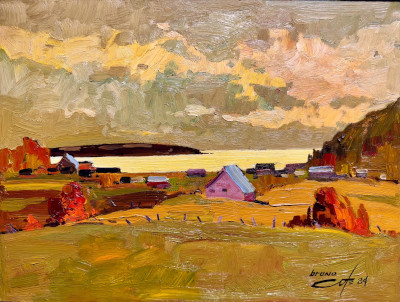 Bruno Côté L’île-aux-Coudres Oil on board 12 x 16 in Sold |
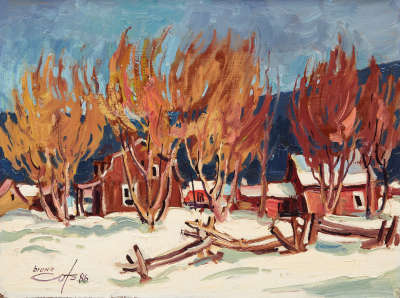 Bruno Côté Oil on masonite 12 x 16 in Sold | 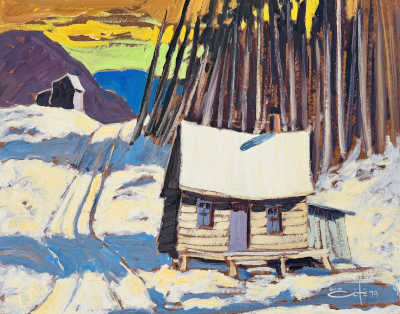 Bruno Côté Saint-Achillée, Quebec Oil on masonite 16 x 20 in Sold | 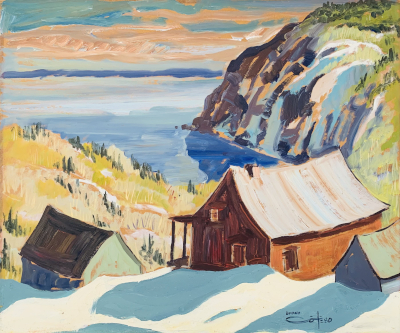 Bruno Côté Baie-des-Rochers Oil on masonite 20 x 24 in Sold |
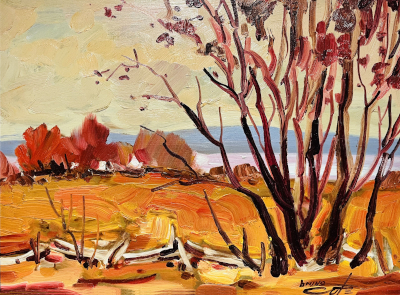 Bruno Côté Oil on board 9 x 12 in Sold | 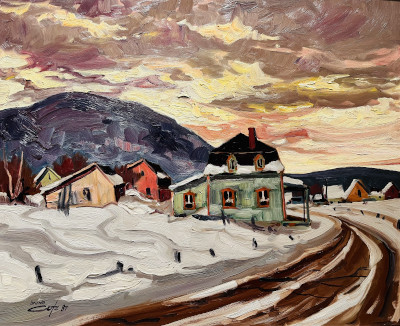 Bruno Côté Saint-Ferréol Oil on masonite 20 x 24 in Sold | 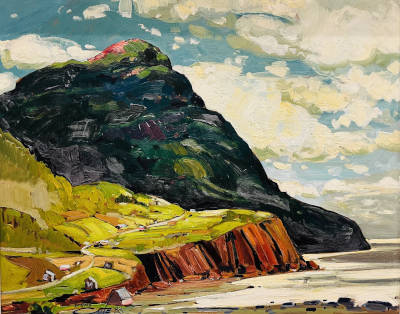 Bruno Côté Carleton Oil on masonite 20 x 24 in Sold |
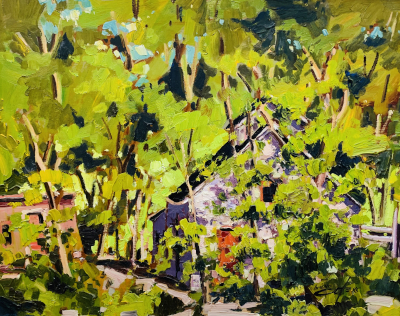 Bruno Côté Oil on masonite 16 x 20 in Sold | 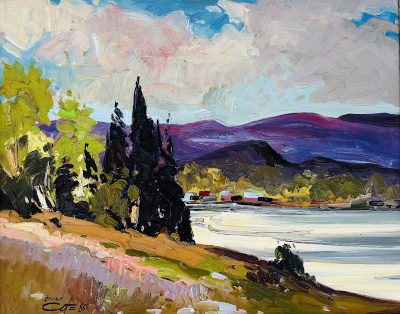 Bruno Côté Vallée de la Matapédia Oil on masonite 16 x 20 in Sold | 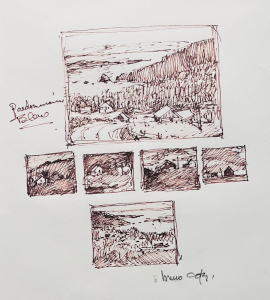 Bruno Côté Untitled Felt pen on paper 10 x 8 in 450 |
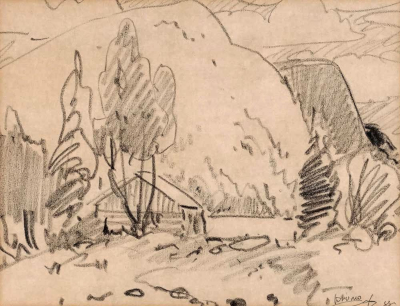 Bruno Côté Untitled Charcoal on paper 11 x 14 in 450 | 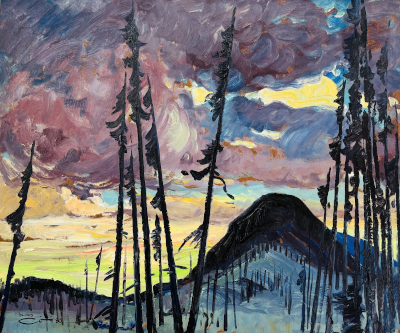 Bruno Côté Oil on masonite 20 x 24 in Sold | 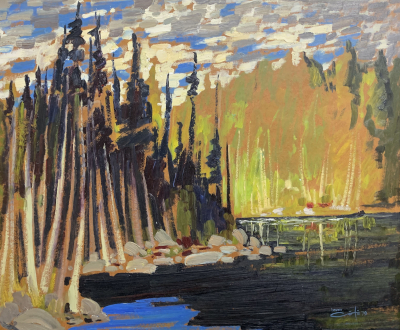 Bruno Côté Rivière Malbaie Oil on masonite 20 x 24 Sold |
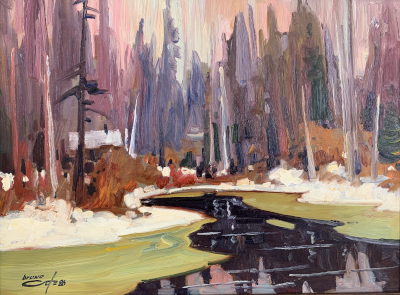 Bruno Côté Baie-Saint-Paul Oil on masonite 12 x 16 in Sold | 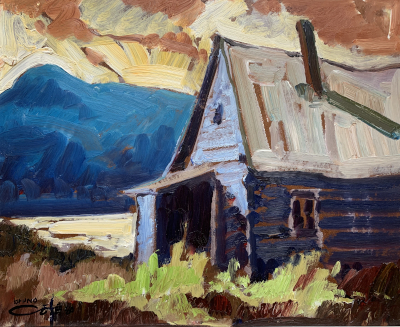 Bruno Côté La Galette Oil on masonite 10 x 12 in Sold | 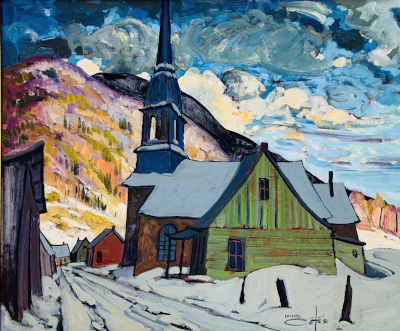 Bruno Côté Eglise Saint-François de la Petite-Rivière Oil on masonite 20 x 24 in Sold |
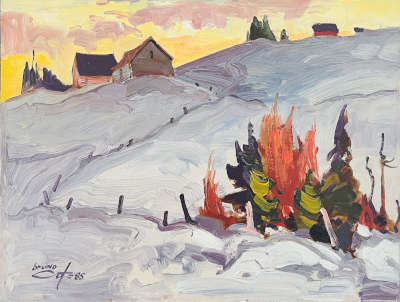 Bruno Côté Baie St-Paul Oil on masonite 10 x 12 in Sold | 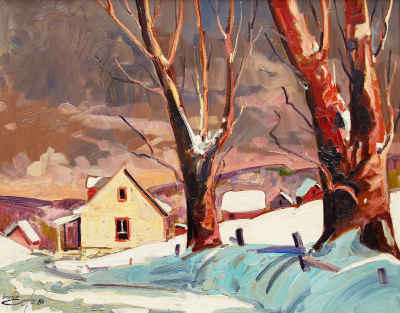 Bruno Côté Rang St. Nicolas Oil on masonite 16 x 20 in sold | 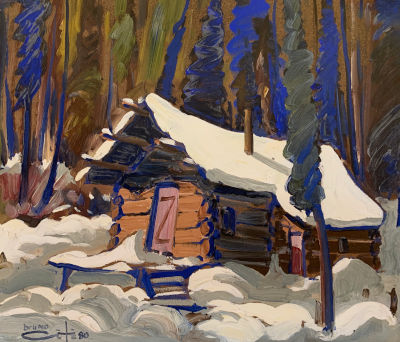 Bruno Côté Oil on masonite 12 x 14 in Sold |
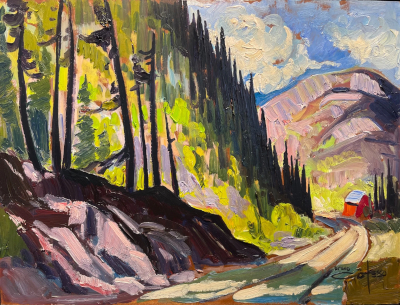 Bruno Côté St-Urbain Oil on masonite 12 x 16 in Sold | 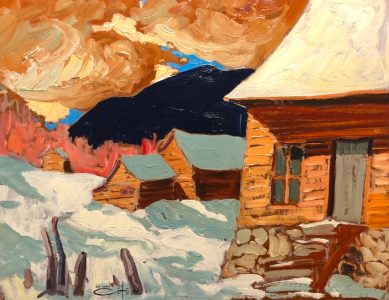 Bruno Côté Sagard Oil on masonite 16 x 20 in Sold | 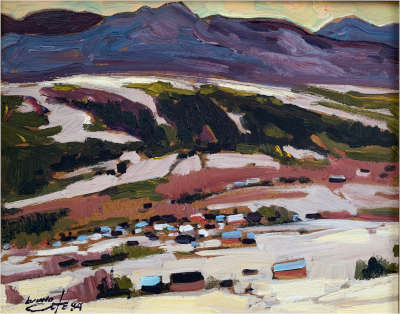 Bruno Côté Montagne St-Placide Oil on masonite 8 x 10 in Sold |
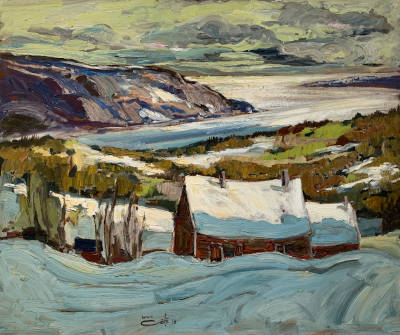 Bruno Côté Baie-Saint-Paul Oil on masonite 20 x 24 in Sold | 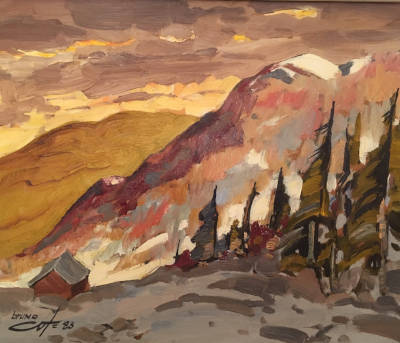 Bruno Côté Rg. St. Nicolas Oil on masonite 10 x 12 in Sold | 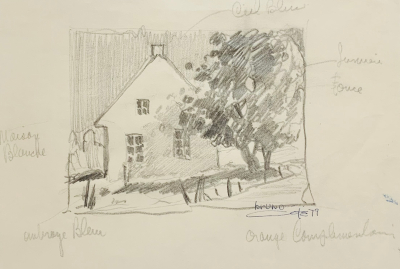 Bruno Côté Untitled Pencil on paper 4.5 X 5.75 in Sold |
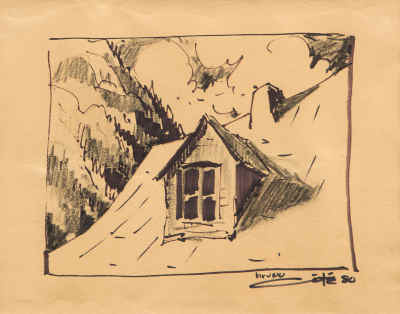 Bruno Côté Untitled Feutre sur papier 8 x 10 in Sold | 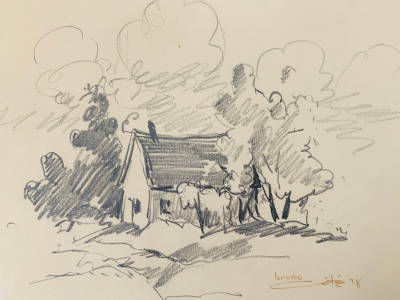 Bruno Côté Untitled Pencil on paper 9.5 x 12 in Sold | 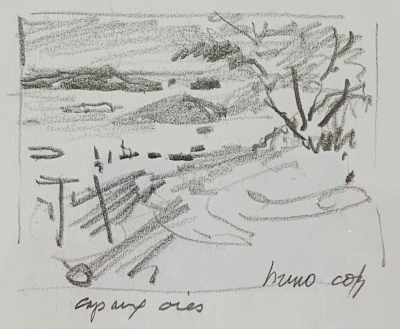 Bruno Côté Cap-Aux-Oies (Goose Cape) Pencil on paper 3 x 4 in Sold |
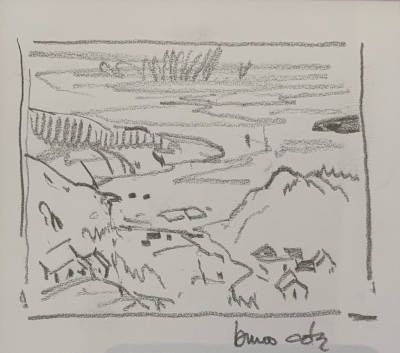 Bruno Côté Untitled Pencil on paper 3 1/2 x 4 in Sold |