1967
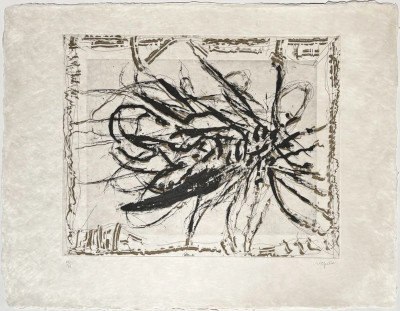
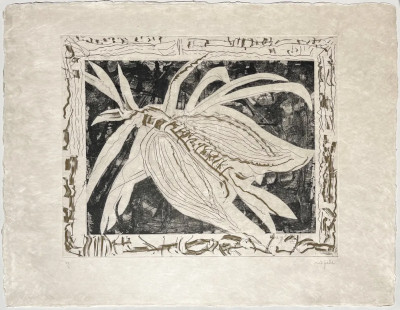
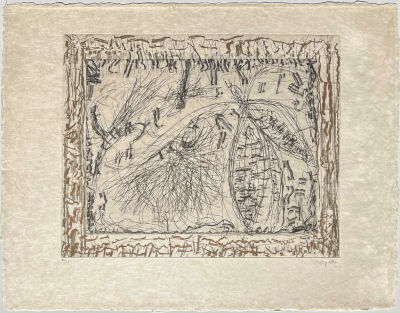
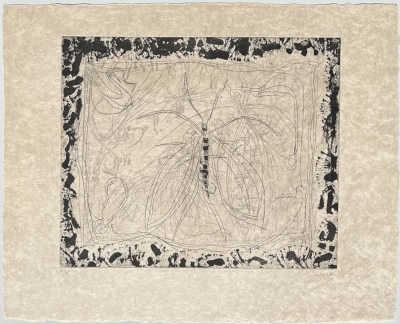
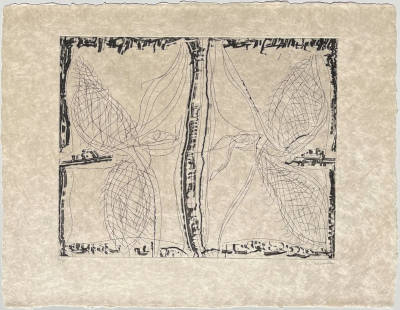
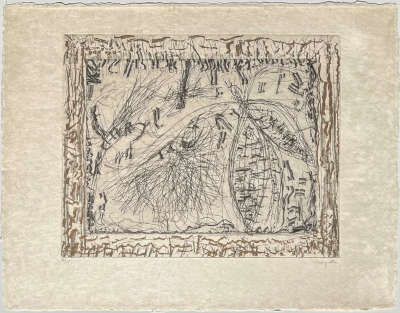
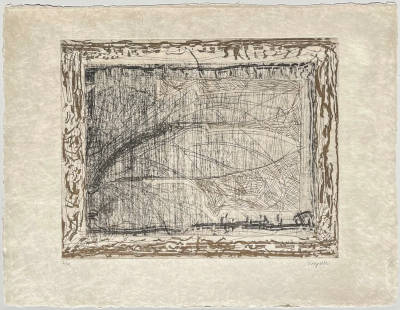
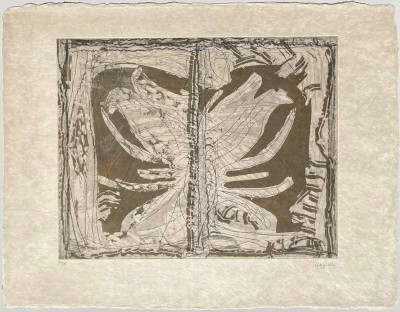
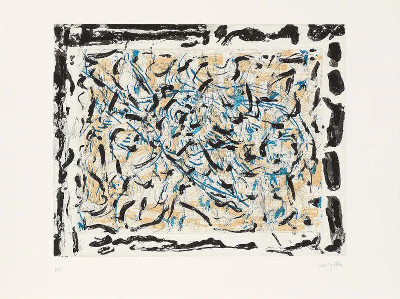
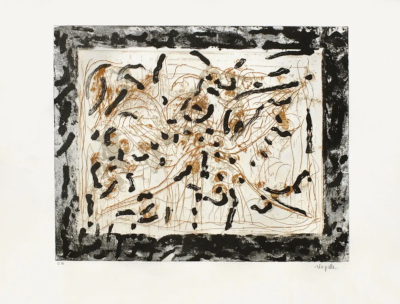
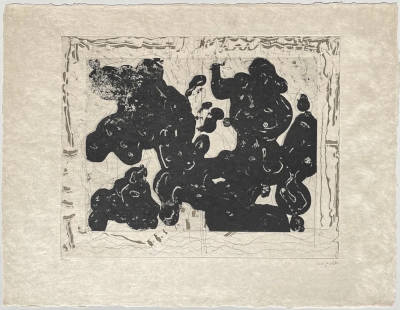
First etchings
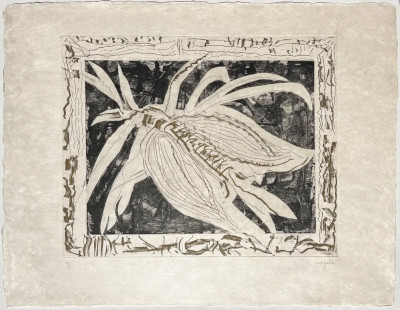
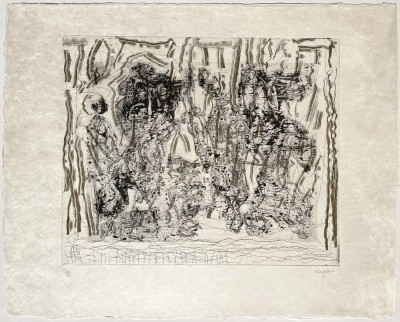
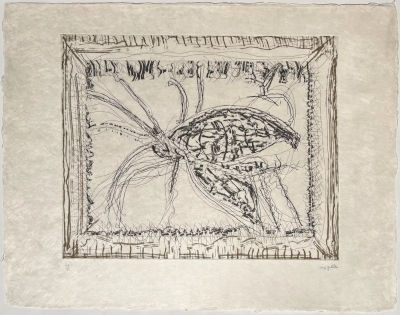
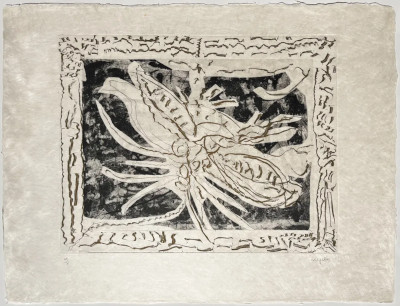
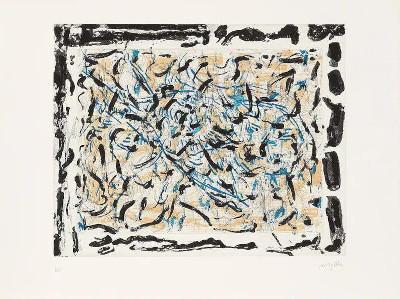
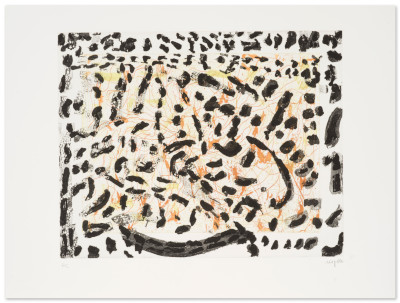
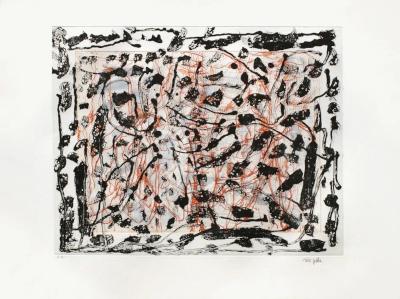
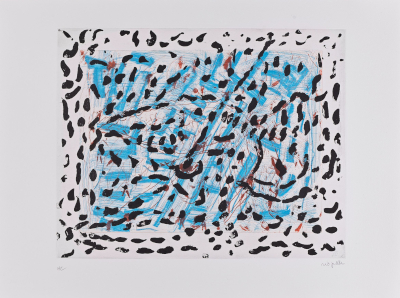
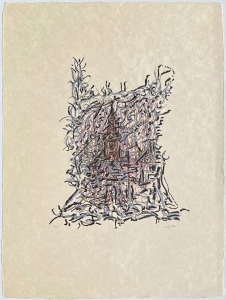
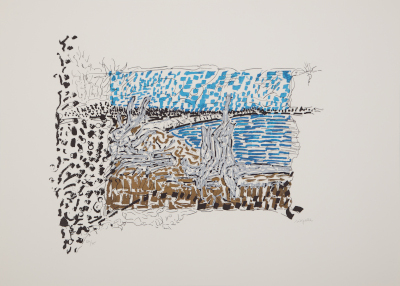
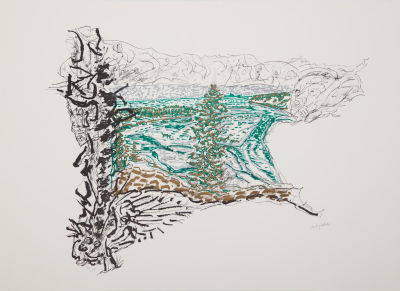
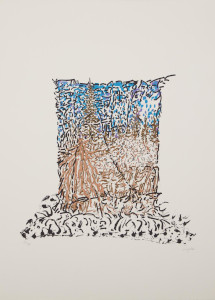
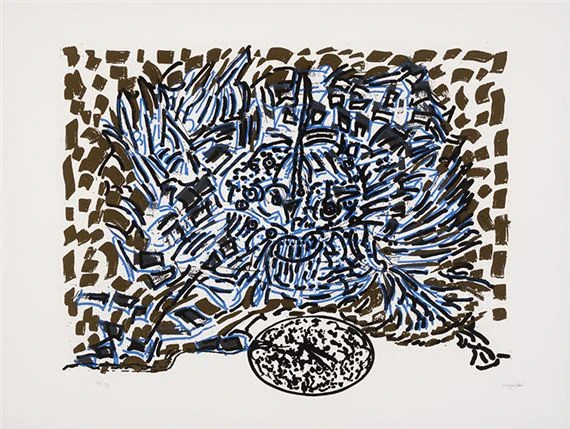
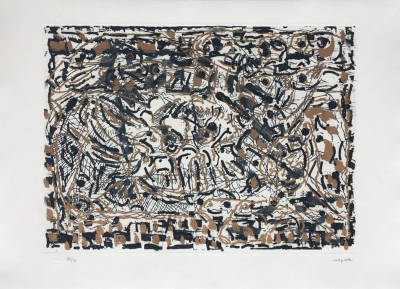
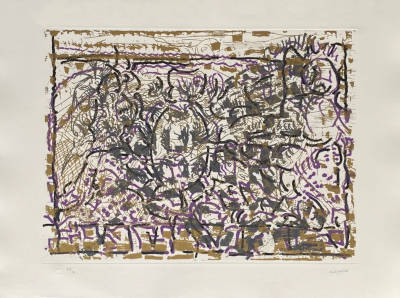
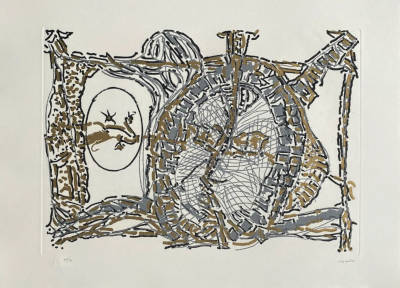
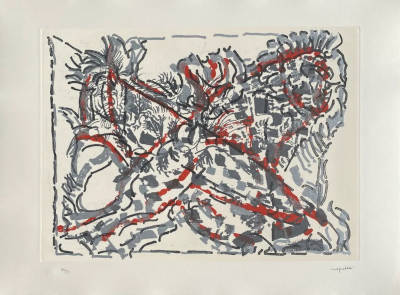
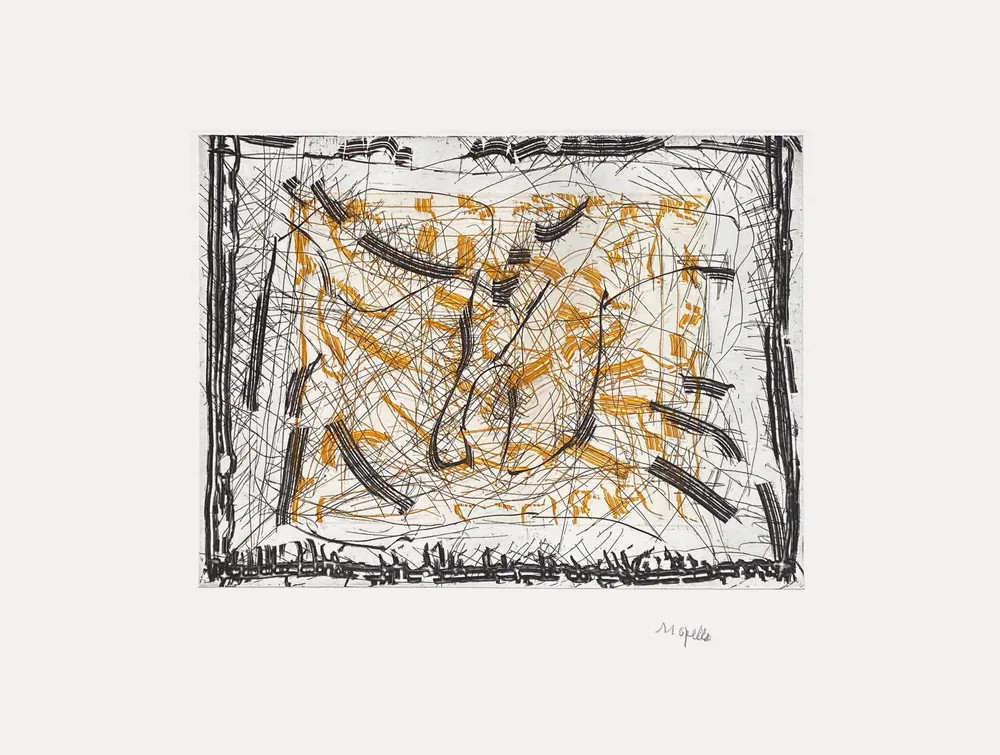
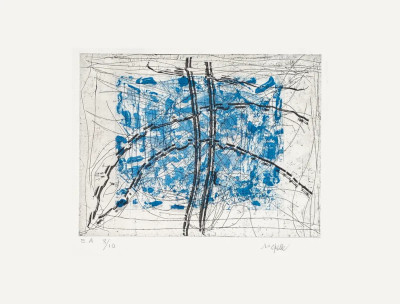
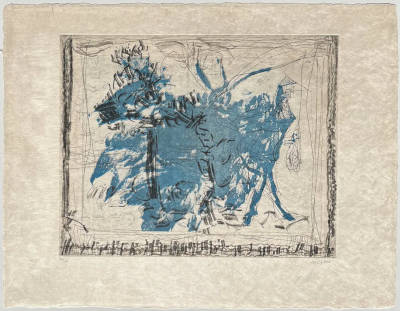
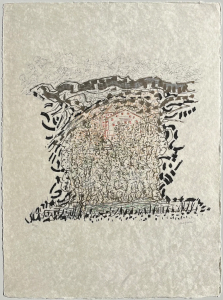
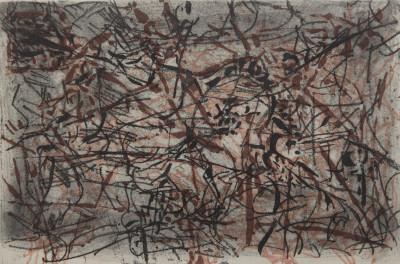
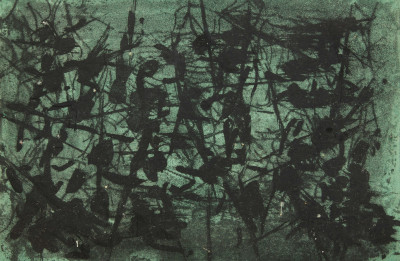
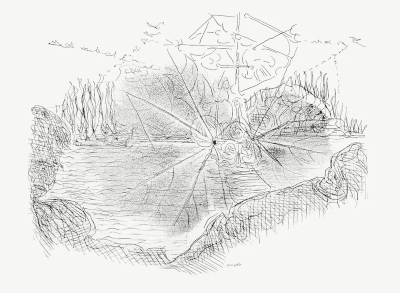
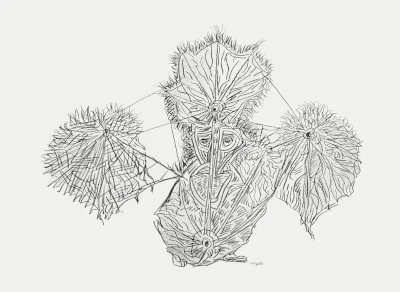
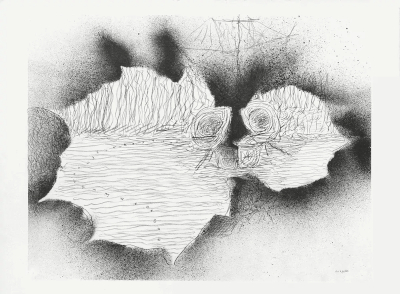
In these first etchings that represent one of the high points of Riopelle’s oeuvre capture on a reduced scale all the energy of his great pictorial forests of the fifties.
1977-1979
Lied à Emile Nelligan
Sold
1979
Le Sablier
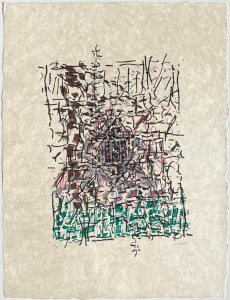
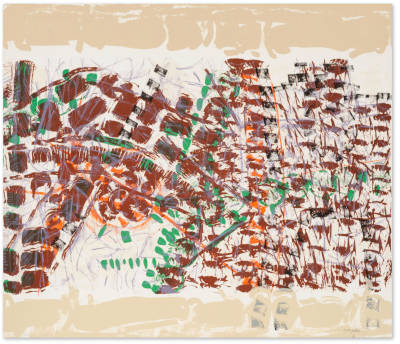
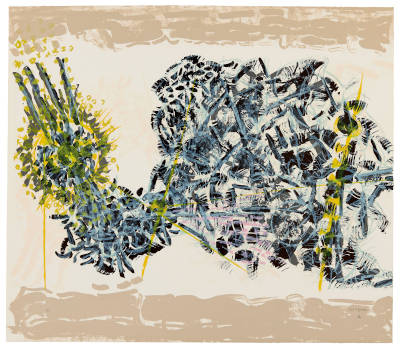
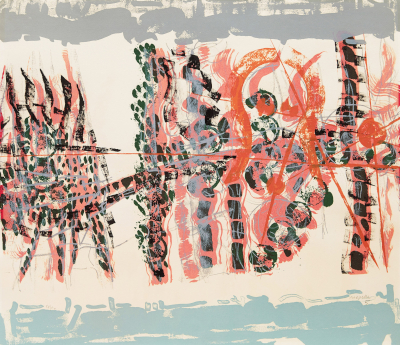
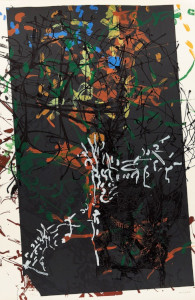
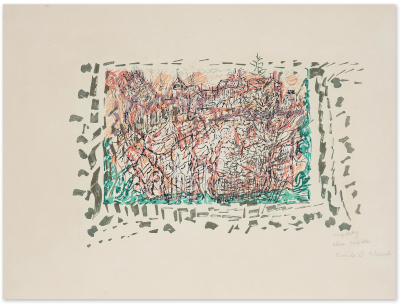
Le Sablier (1979) is a portfolio of six color lithographs published by the famed Maeght Éditeur in Paris. The series features abstract, vibrant compositions—often with maroons, oranges, and greens—reflecting the passage of time, as “Sablier” is French for “hourglass”. These works are iconic examples of his later, more gestural printmaking style
1978.01aEST.LI.ALB page 252; Published by Maeght Éditeur, Paris
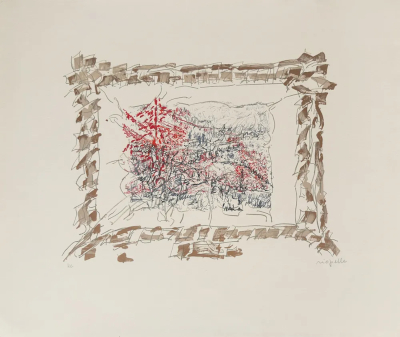
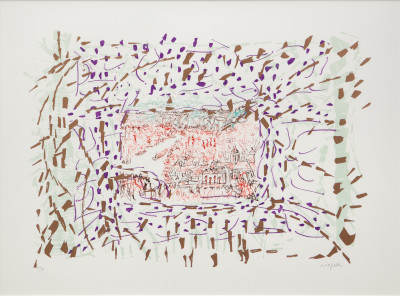
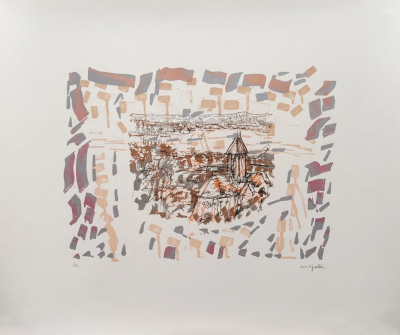
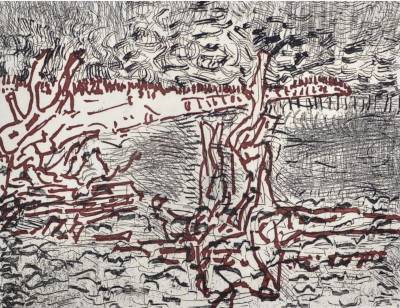
Les saisons de Saint-Cyr-en Arthie
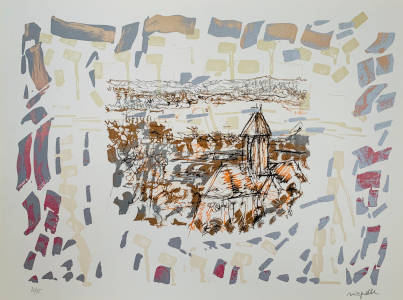
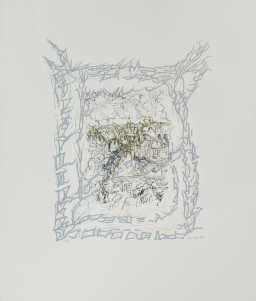
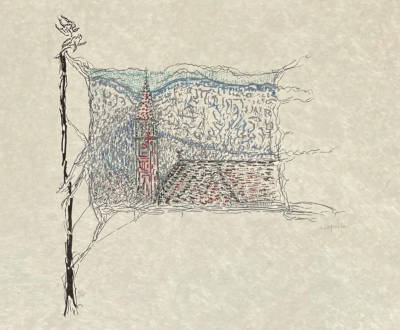
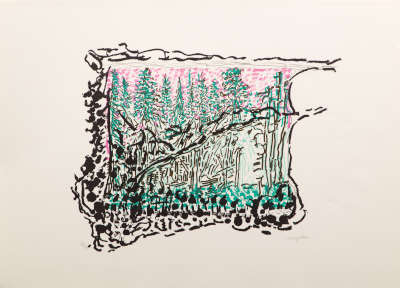
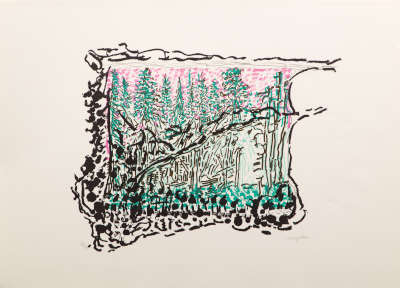
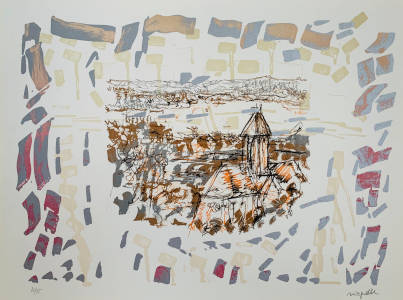
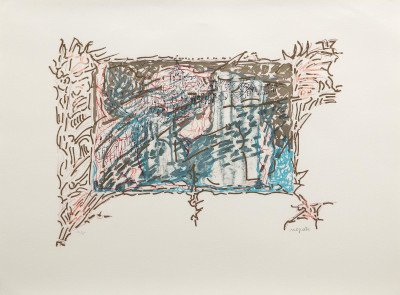
“The Seasons of Saint-Cyr-en-Arthies” is a series of 6 color lithographs produced by Riopelle in 1985. They depict the landscapes surrounding his studio in the Val-d’Oise (France), where Riopelle settled in 1969, and bear witness to his connection with nature and his work on landscape abstraction.
Catalogue raisonnée des estampes de Jean-Paul Riopelle, # 1985.03*EST.LI.ALB page 310-312; Published by Atelier Lelong, Paris
1985
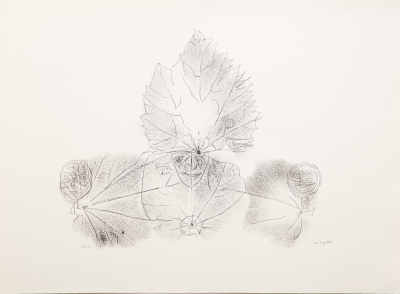
Autres mouches
Autres mouches
1985
Auprès de mon lac
1985
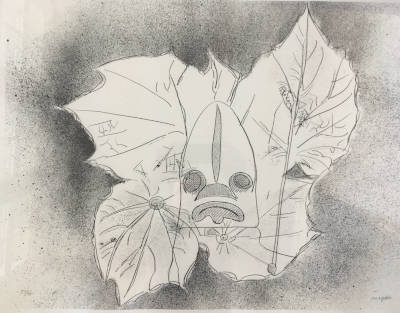
Les mouches à Marier
1985-1989
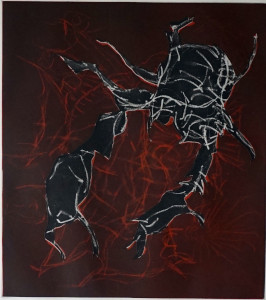
"Les Ours" (The Bears) series
Catalogue raisonnée des estampes de Jean-Paul Riopelle 1989.03EST.LI – 1989.08EST.LI page 350-351 René Le Moigne à l’imprimerie Mourlot, Paris. Galerie Lelong Éditeur, Paris
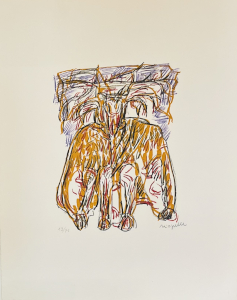
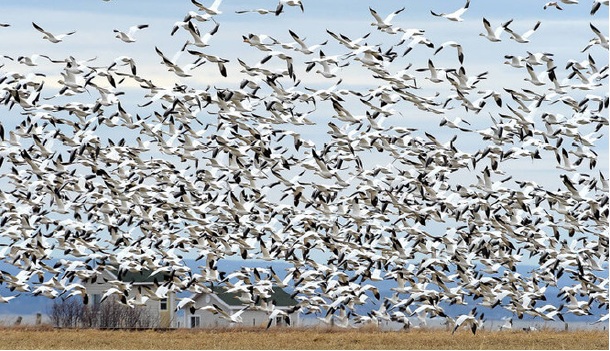
The subjects—bears, owls, and geese—are rooted in Riopelle’s love for nature and his experiences as an avid hunter near Cap Tourmente. The bears and other creatures are not realistic portraits but rather “mysteriously prophetic clues”. The multiplication of these forms serves to depersonalize them, transforming them into symbolic, almost totemic, shapes.
In essence, the Ours lithographs are not just pictures of bears, but an exploration of the connection between abstract form and nature, created through an intense, “volcanic” creative process
1989
La Série Dommage
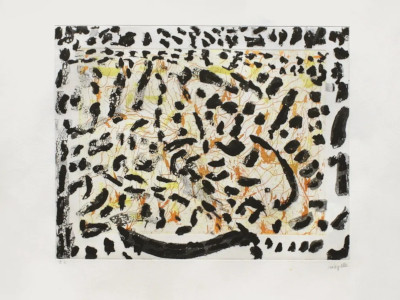
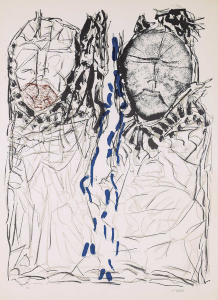
Jean Paul Riopelle’s “Dommage Series” (circa 1989-1990) is a collection of etchings and aquatints on Arches paper, characterized by humorous or phonetic titles.
These works reflect the artist’s mature period, often associated with wordplay in the naming of his graphic creations.